
 24/7 Emergency
Water Leak Detection
Running water sound, a meter that will not stop or damp spots with no clear source. We trace the plumbing leak to one spot before anything is opened.
Explore This Service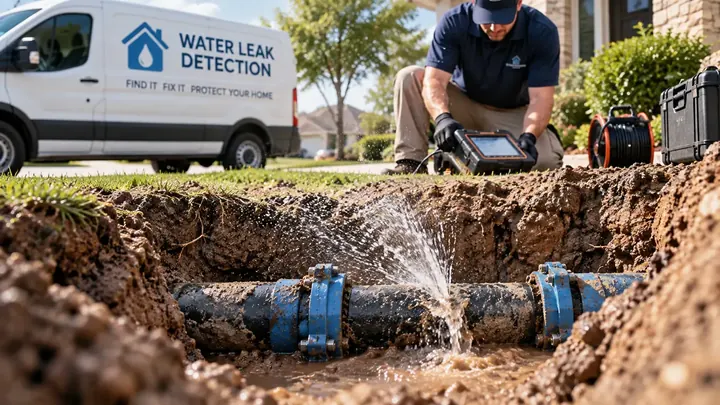
Texas leak detection specialists
Water going somewhere it should not? We locate hidden, slab, underground and high water bill leaks for homes and businesses statewide, using acoustic, thermal and tracer gas equipment so nothing gets opened up on a guess.
Match your symptom
Start with what you can see, hear or measure. Each symptom links to the service built for it.
Our services
Eleven focused services, each built around one kind of leak. Pick the one that matches your situation, or call and we will match it for you.
24/7 EmergencyRunning water sound, a meter that will not stop or damp spots with no clear source. We trace the plumbing leak to one spot before anything is opened.
Explore This Service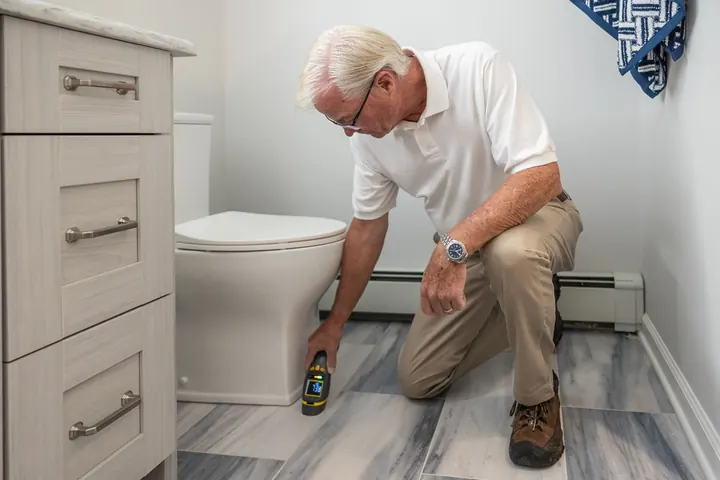 Non Invasive
Musty smells, soft floors or a bill that keeps climbing with nothing visible. We find concealed leaks inside walls, floors and cabinets without tearing things apart.
Explore This Service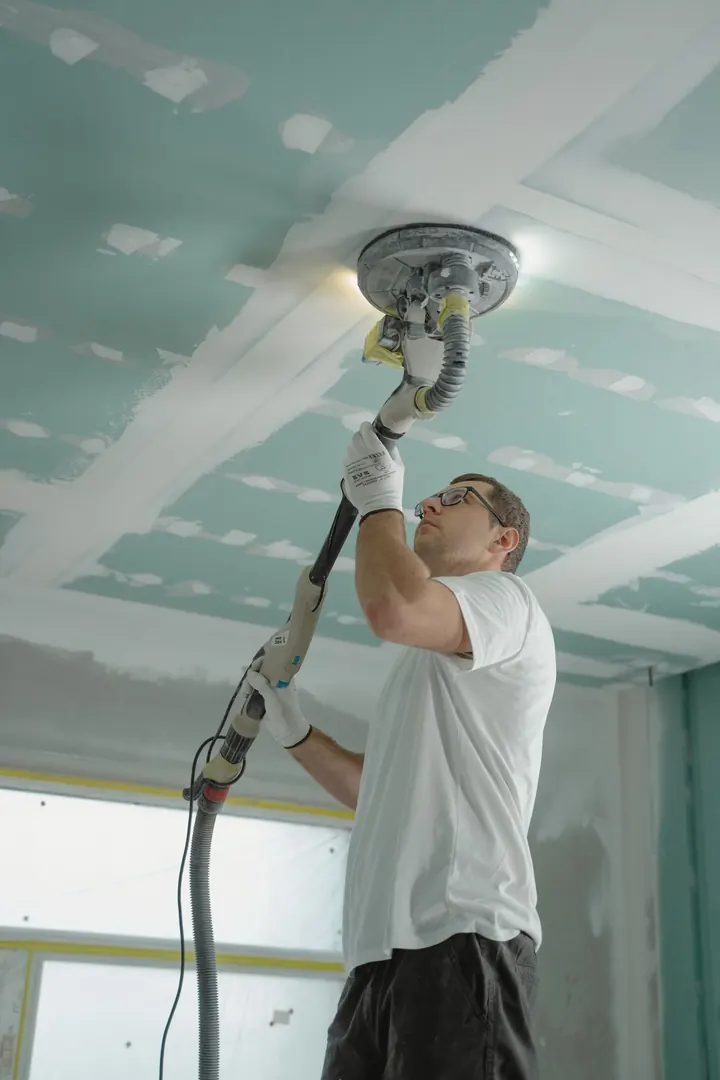 Fast Response
A brown ring on the ceiling or a damp patch on the wall. We trace it to the pipe, drain, fixture or AC line responsible before any drywall comes down.
Explore This Service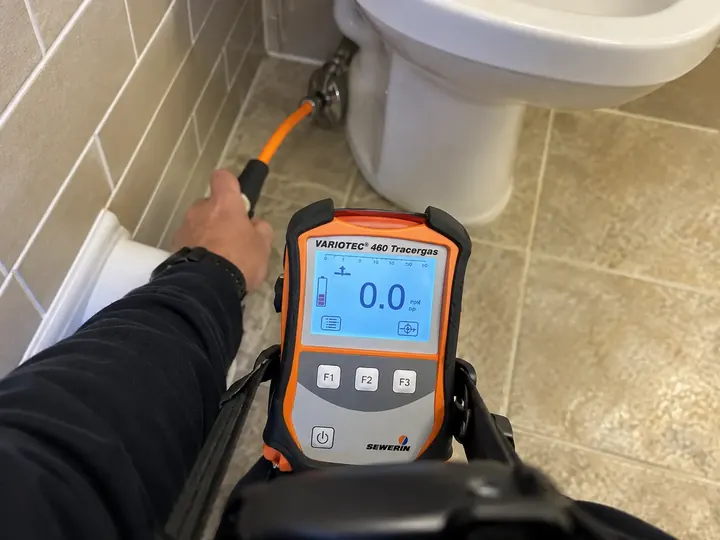 Popular In Texas
Warm spots on the floor, cracks or a water heater that never rests. We pinpoint leaks under your concrete foundation so the slab is opened in one place only.
Explore This Service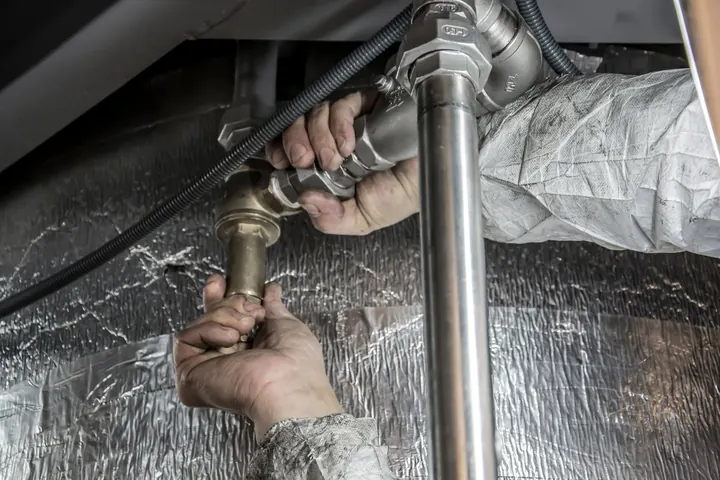 Pier & Beam Homes
Soft floors, standing water or a musty smell under the house. We inspect pier and beam crawl spaces and trace leaks in the supply and drain lines.
Explore This Service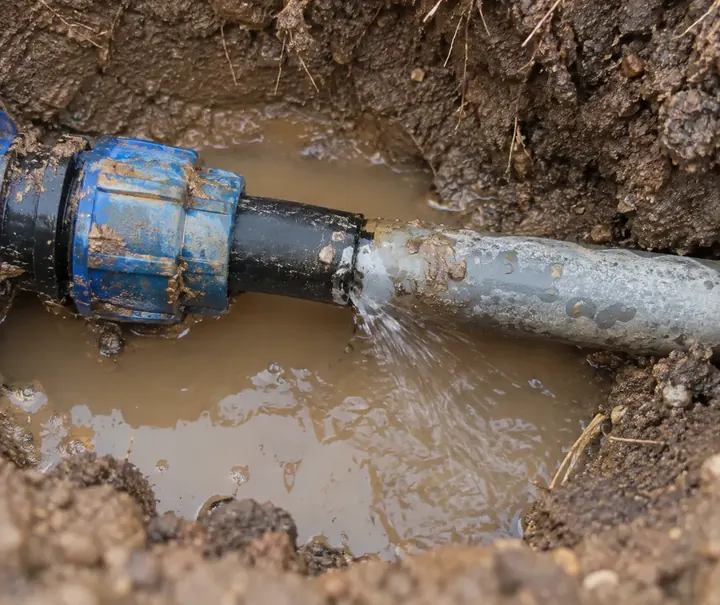 Yard & Buried Lines
A soggy patch, a sinking spot or water bubbling up with no rain. We trace buried lines and locate underground leaks so you dig one small hole, not a trench.
Explore This Service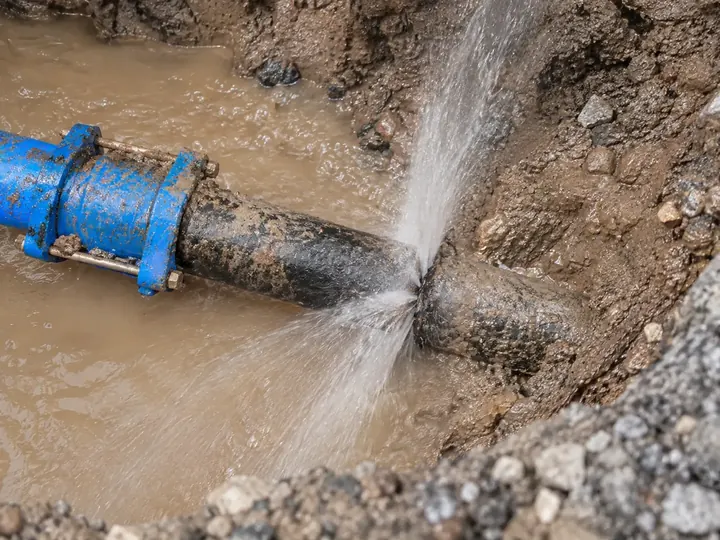 Meter To House
Low pressure, a wet meter box or a soggy strip between the street and the house. We locate leaks on the main line that feeds your home.
Explore This Service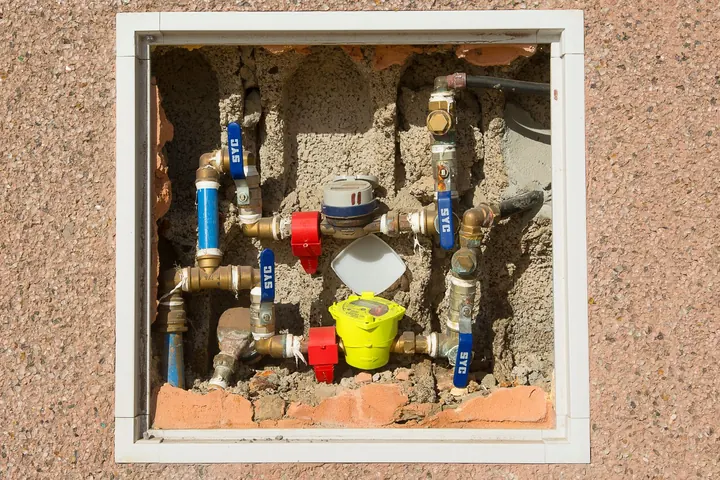 High Bill?
A bill that doubled or a meter dial that keeps turning. We investigate unexplained water use and find where the water is going.
Explore This Service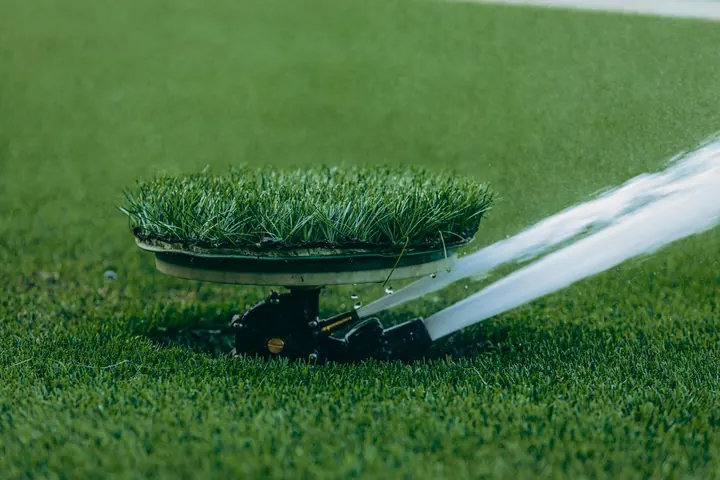 Lawn & Landscape
One zone that stays soggy, low pressure at the heads or a valve that will not shut off. We trace buried sprinkler lines and find the leak.
Explore This Service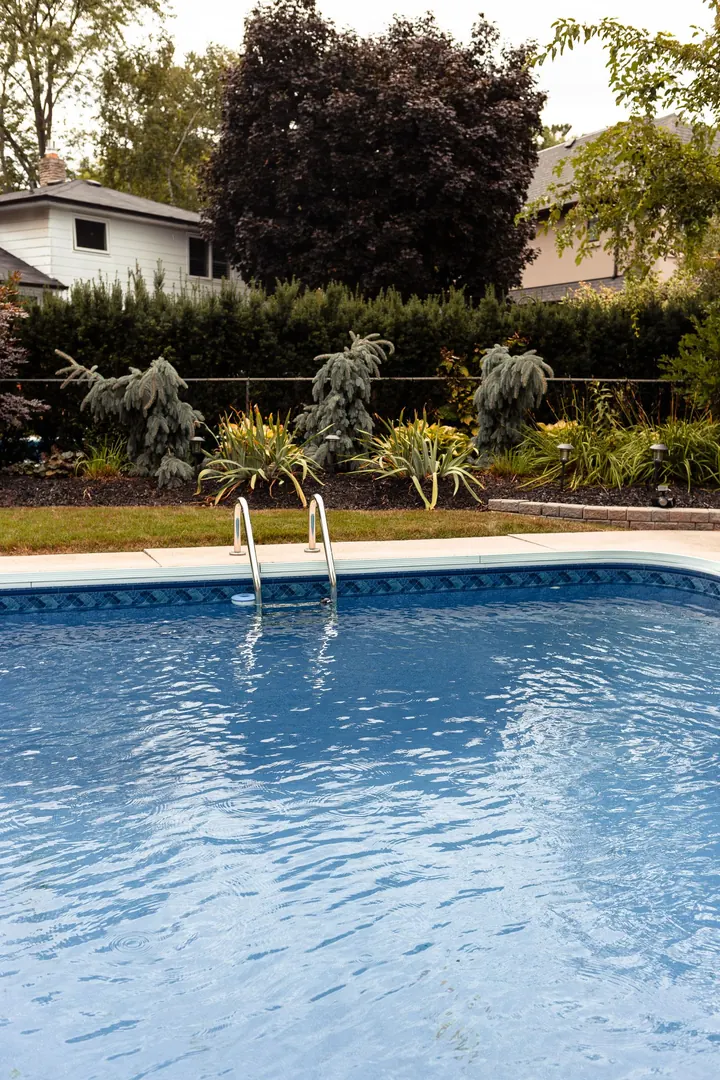 Pool & Hot Tub
Losing more than evaporation, an auto fill that never stops or wet ground by the equipment pad. We test the shell, fittings and plumbing.
Explore This Service Business & Property
Offices, retail, restaurants, warehouses and apartment communities. We find leaks with minimal disruption to tenants and trading hours.
Explore This ServiceDescribe what you see, hear or smell. A specialist will match it to the right test and tell you how pricing works, any time of day.
Call: (800) 901 7671Answered 24/7 across Texas
Don't see your leak listed? If it involves water going where it should not, we can help you find it.
Talk To A SpecialistLeak detection explained
Leak detection is the work of finding the exact location of a water leak in a property's plumbing without tearing the property apart to look for it. A plumber's job is to repair the pipe. A leak detection specialist's job is to tell the plumber precisely where that pipe is failing, whether it is inside a wall, under a concrete slab, beneath the yard or somewhere in a pool's buried plumbing.
That distinction matters because most leaks are invisible. Water escaping a pressurized line soaks into soil, insulation, drywall and framing long before it shows. By the time a stain appears or the floor feels soft, the leak may have been running for weeks. Guessing at the source means cutting inspection holes, breaking tile or digging trenches, and every wrong opening adds cost.
Professional detection reverses that order. The leak is confirmed at the meter, the system is split into sections, each section is tested, and the suspect line is scanned with listening equipment, thermal cameras, moisture meters or tracer gas until the leak is pinpointed. The repair then goes in one place, usually through a small opening.
Homeowners with a mystery leak or a bill that keeps climbing. Landlords and property managers who need a documented source. Businesses, HOAs and apartment communities losing water across large systems. Homebuyers and insurers who need to know what is going on behind the walls.
Turn off all water use. Note the meter reading and watch the low flow indicator for 15 minutes. If anything moves, water is leaking somewhere.
Call: (800) 901 7671
Warning signs
Any one of these is worth checking. Two or more together almost always means a leak. The cheapest moment to find it is now, before water damages flooring, framing or the foundation.
Call Now: (800) 901 7671
Why Texas Leak Detection Experts
Most plumbers can fix a pipe. Fewer can tell you exactly where an invisible leak is without opening walls, floors or the yard. Leak detection is that one job, done with the right equipment and a methodical process, so the repair is small and done once.
Lines are isolated and tested so the search covers one run, not the whole property.
Acoustic, thermal, moisture and tracer gas tools find the leak before anything is opened.
You hear where the leak is, what likely caused it and your repair options in plain language.
Shoe covers, careful access and a tidy work area every visit.
How it works
Step 01
Tell us what you are seeing. We help you shut off water if needed and confirm availability and pricing on the call.
Step 02
The specialist confirms the leak, isolates each line and uses acoustic, thermal or tracer gas tools to find the exact spot.
Step 03
The leak is marked, the cause explained and repair options laid out, so you decide what happens next.
Detection methods
No single tool finds every leak. The specialist chooses the method by the type of pipe, where it runs and how loud the leak is.
Water escaping a pressurized pipe makes a hiss that travels through the pipe, the slab and the soil. Ground microphones and electronic listening equipment amplify that sound so the specialist can follow it to the loudest point, which is usually the leak.
An infrared camera shows temperature differences on floors, walls and ceilings. A leaking hot water line leaves a warm bloom, and evaporating water from a cold line shows as a cool patch, so the camera narrows the search area without touching the surface.
When a leak is too quiet to hear, the line is drained and filled with a safe hydrogen and nitrogen mix. The gas escapes through the smallest crack and rises through concrete or soil, where a sensitive detector picks it up at the surface.
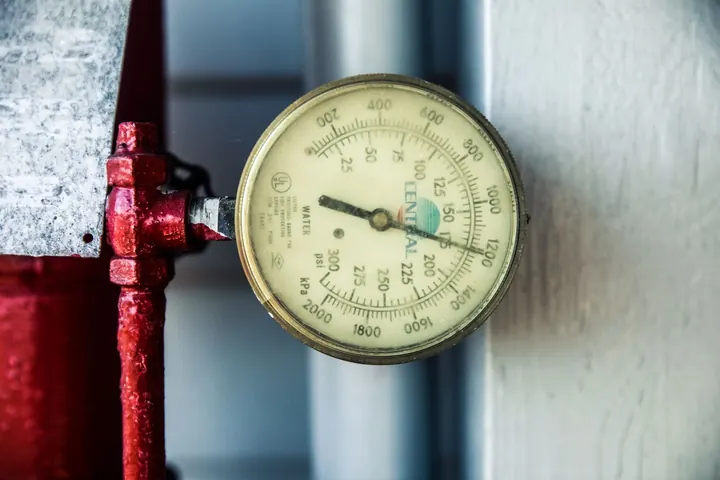
Each section of plumbing is isolated and held under pressure on a calibrated gauge. If the reading drops, that section is leaking. Testing hot, cold, supply and irrigation lines one at a time tells you exactly which system has the problem before anyone looks for the spot.
Pin and pinless moisture meters measure how wet drywall, wood, subfloor and insulation really are. Mapping the readings shows where the water is spreading from and confirms when materials have dried after the repair.
Before anyone listens over a buried line, the route has to be known. Electronic pipe locators and small transmitters called sondes trace where service lines, irrigation mains and yard pipes actually run, which is often not where the original plans show.
Why Texas homes leak
Texas is hard on plumbing in ways most states are not. Knowing why helps you spot problems early.
Houston Black clay, the official state soil, and similar clays across the Blackland Prairie and Gulf Coast swell when wet and shrink in drought. That movement flexes slab foundations and the copper lines beneath them, which is why slab leak detection is one of our most requested services.
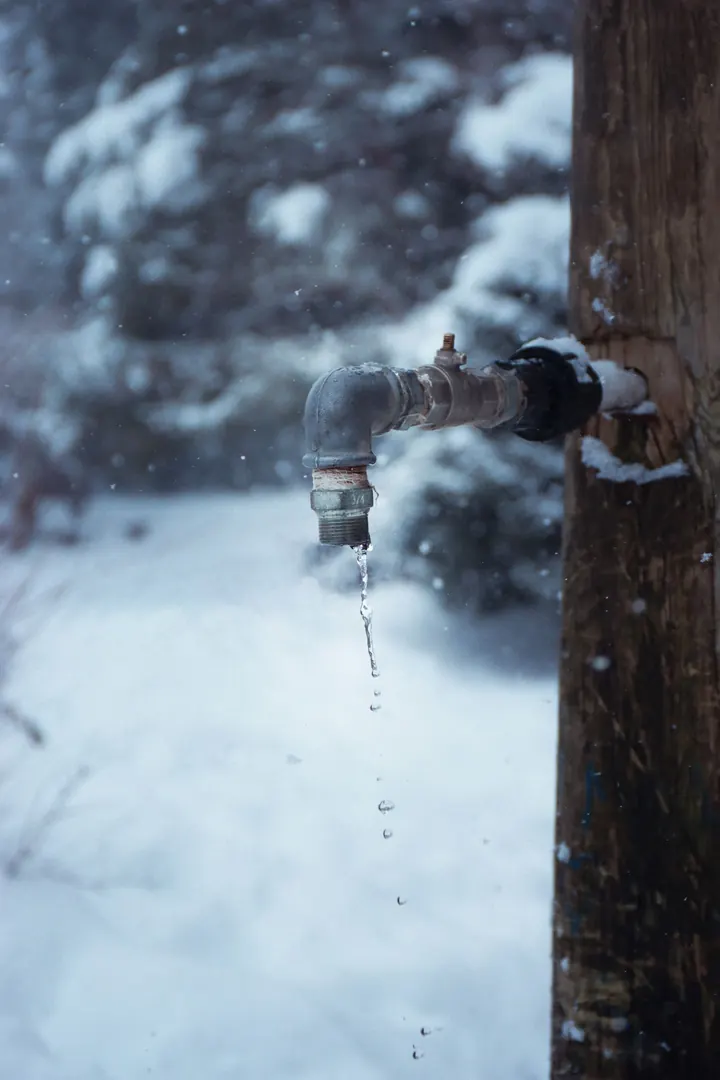
Winter Storm Uri in February 2021 brought freezing temperatures to nearly all of Texas and split pipes in attics, exterior walls and crawl spaces from the Panhandle to the coast. Many freeze cracks only leak after the thaw, so crawl space and irrigation checks are worth doing after any hard cold snap.
Mineral rich water slowly thins copper pipe from the inside, leading to pinhole leaks in homes built from the 1960s onward. Homes from roughly 1978 to 1995 may also have polybutylene supply pipe, which can fail at its fittings.
Irrigation and pools run hard for months. A leaking sprinkler main or pool line can add more to a summer bill than the rest of the house, which is why high water bill investigations spike every summer.
Across Central and West Texas, limestone and caliche sit close to the surface. Digging in the wrong place is slow and expensive, so pinpointing underground leaks before excavation pays for itself.
Service areas
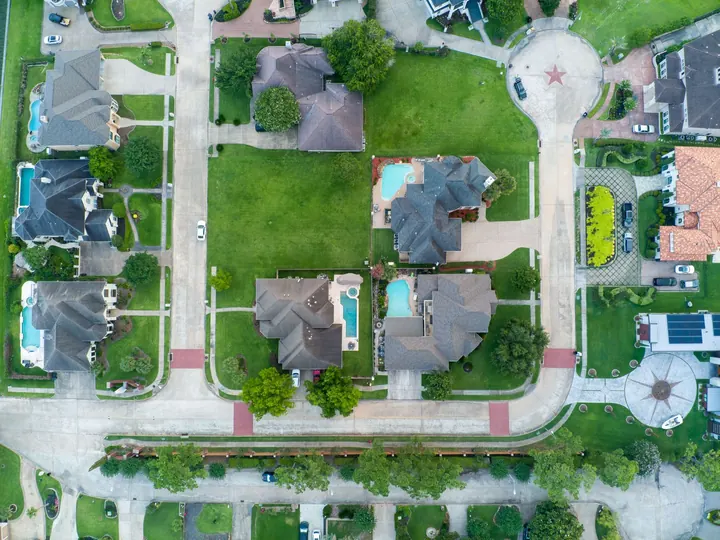
We cover 696 cities and communities statewide, from Dallas Fort Worth and Houston to the Hill Country, the Panhandle and the Rio Grande Valley.
What to expect
Every call follows the same simple standard, wherever you are in the state.
You hear where the leak is, what most likely caused it and what the repair options are, in plain language and before any work is agreed.
How pricing works is explained on the phone before anyone is sent, so there are no surprises when the specialist arrives.
Lines are tested and the leak pinpointed with acoustic, thermal or tracer gas equipment, so any opening is small and in the right place.
Gallery



FAQ
The questions Texas homeowners ask us most, answered plainly.
Talk to a real leak specialist, not a sales script. Advice over the phone is free.
(800) 901 7671Cost depends on the type of leak, the size of the property, how many lines need testing, whether the leak is under concrete or in the yard, and whether it is an after hours emergency. The specialist explains how pricing works on the call before anyone is sent, so you know what to expect.
We confirm water loss at the meter, isolate the plumbing into sections and pressure test each one. Then acoustic listening equipment, thermal imaging, moisture meters and tracer gas narrow the leak down to a single marked spot, so any repair opening is small and in the right place.
A plumber repairs pipes. Leak detection is the specialist step before that, locating exactly where a hidden pipe is leaking using dedicated equipment. Many plumbers call in leak detection when the leak is under a slab, in a wall or underground.
Yes. Our phone line is answered 24 hours a day, 7 days a week. For active leaks we will help you shut off the water on the call, then confirm availability and an arrival window.
Many Texas policies cover the cost of finding and accessing a sudden leak and the resulting water damage, but not the pipe repair or long term seepage. Coverage varies, so check your policy. A documented leak location and cause helps any claim.
Much of Texas sits on expansive clay that swells and shrinks with moisture, moving slab foundations and the copper pipes beneath them. Hard water thinning copper from the inside and decades of heating and cooling on hot water lines add to it.
We cover 696 cities and communities across Texas, including Dallas, Fort Worth, Houston, San Antonio, Austin, El Paso and hundreds of smaller towns. See the locations page for the full list, or call and we will confirm your address.
Many homes take one to three hours. Larger properties, long underground lines, pools and commercial buildings can take longer because each line is tested before the leak is pinpointed.
Don't see your leak listed? If it involves water going where it should not, we can help you find it.
Talk To A SpecialistCall any time
One call to our 24/7 line gets a specialist working on your leak. Tell us what you are seeing and we will take it from there.