
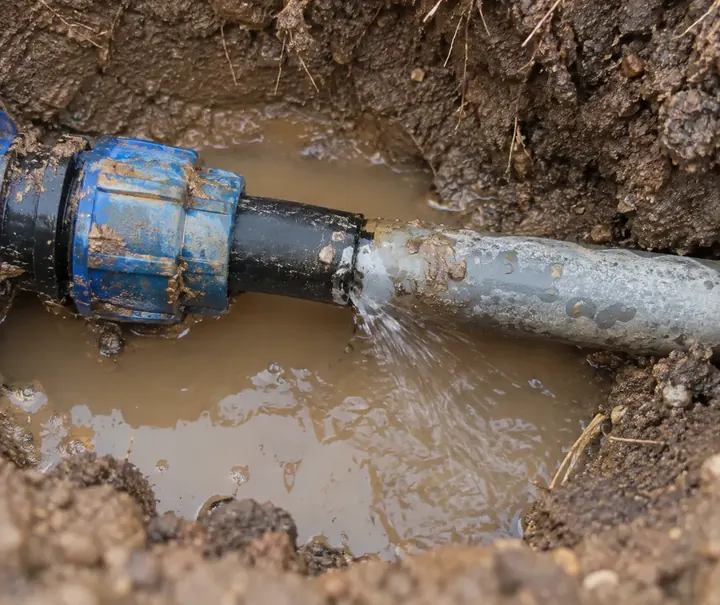
 Yard & Buried Lines
Underground Water Leak Detection
A soggy patch, a sinking spot or water bubbling up with no rain. We trace buried lines and locate underground leaks so you dig one small hole, not a trench.
Explore This Service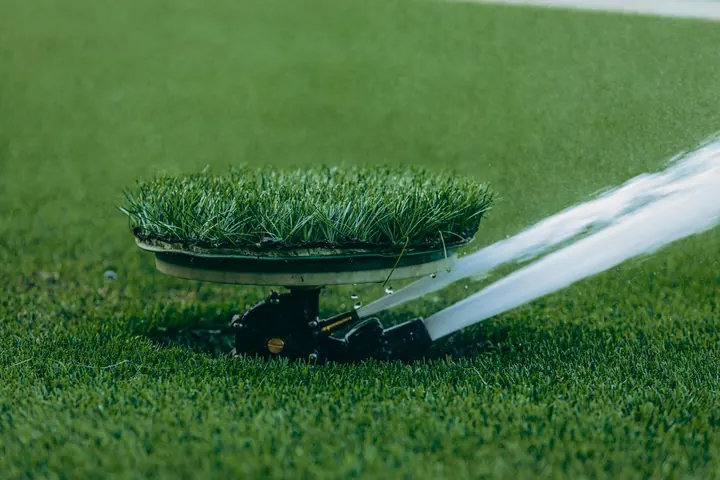
Irrigation & Sprinkler Leak Detection in Texas
Texas summers make lawn irrigation one of the biggest water users in many homes, and a hidden sprinkler leak can cost more than the rest of the house combined. We find it zone by zone.
An automatic sprinkler system has two kinds of pipe. The main line from the backflow preventer to the zone valves is under pressure all the time. The lateral lines from each valve to the heads only see pressure when that zone runs. A leak on the main wastes water around the clock. A leak on a lateral only wastes water during watering, but can still flood an area and starve the heads beyond it.
Valves also fail. A valve with debris or a worn diaphragm can stay partly open, so one zone weeps all day even when the controller is off.
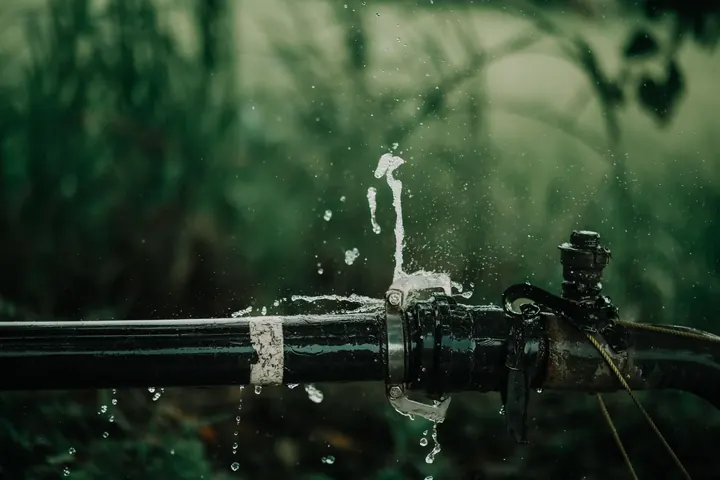
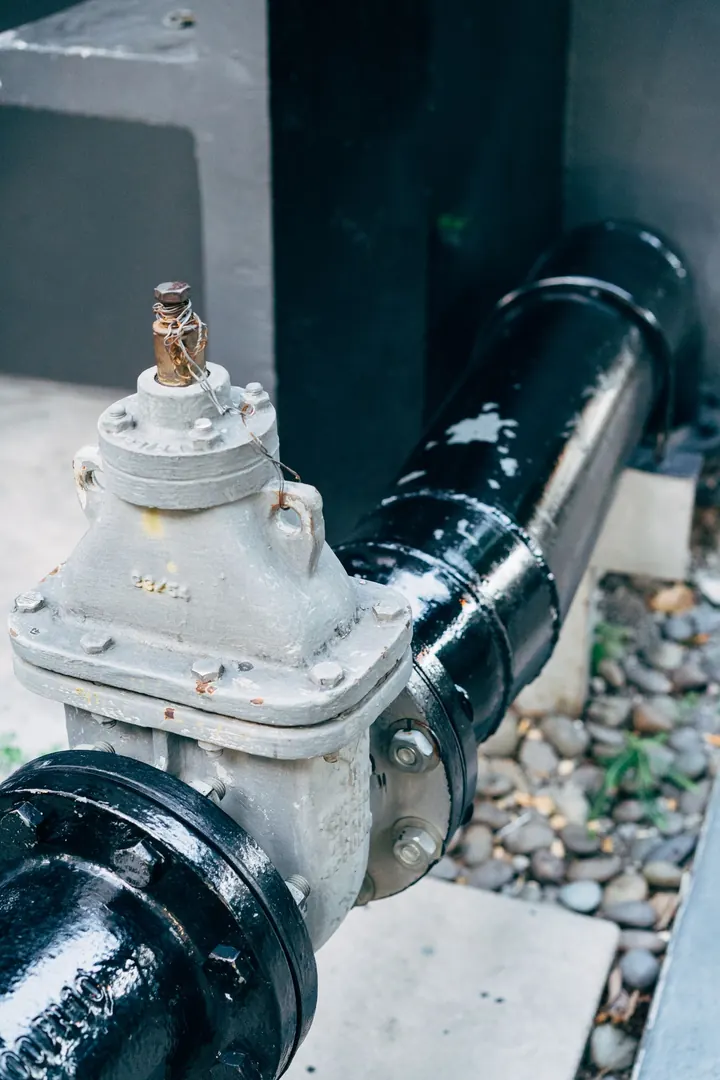
The backflow preventer is usually above ground, which makes it vulnerable during hard freezes. Cracked bodies and blown test cocks are common after a Texas cold snap, and the damage often shows only when the system is turned back on in spring. Buried lines near the surface and valves in shallow boxes can crack too.
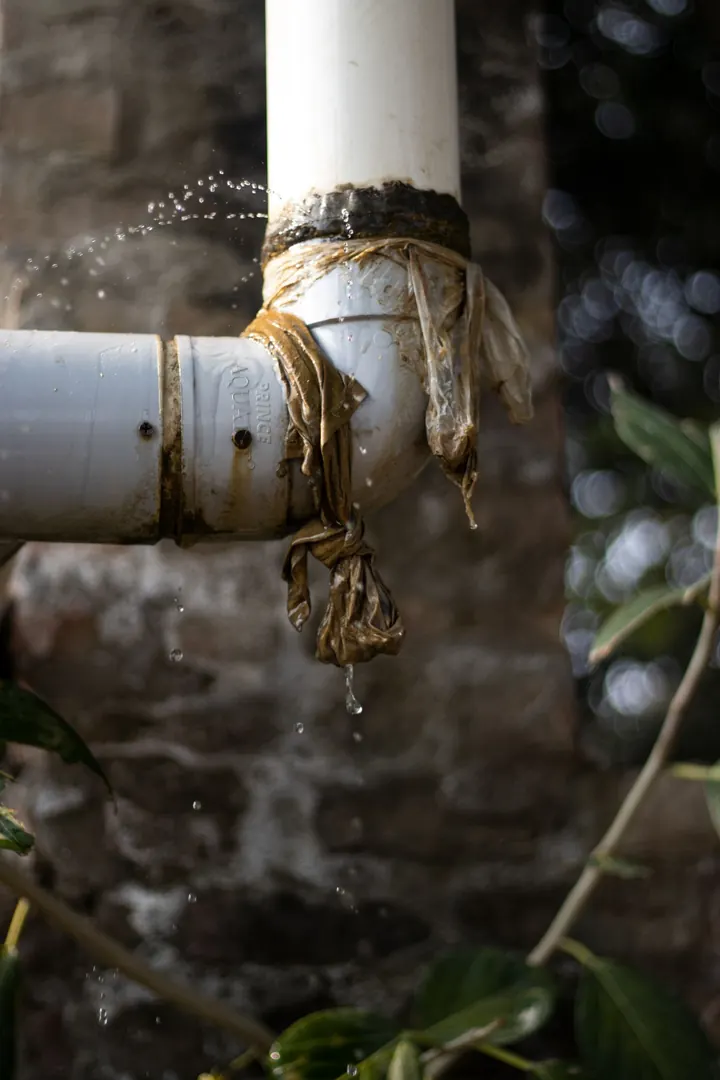
Think you have this kind of leak? A specialist can talk you through it right now.
Call NowWe start with the meter. Testing with the irrigation supply open and then closed shows whether the leak is on the irrigation side at all. Then we run each zone and watch the heads, check each valve for weeping, and pressure test the main line.
Once we know which line is leaking, we trace its route with a pipe locator and listen along it with acoustic equipment. Because most sprinkler pipe is plastic and buried shallow, ground probing and careful observation of wet spots often confirm the exact point.
Texas licenses landscape irrigators separately from plumbers, and many cities require a backflow preventer test after installation or repair. Watering schedules and drought restrictions set by local providers also apply. Locating the leak precisely means the repair is small and the system can be back in use quickly.
Detection methods
No single tool finds every leak. The specialist chooses the method by the type of pipe, where it runs and how loud the leak is.
With every fixture off, the low flow indicator on the water meter should stand still. Timed meter readings with sections of the home shut off one by one show whether water is being lost and roughly how fast.
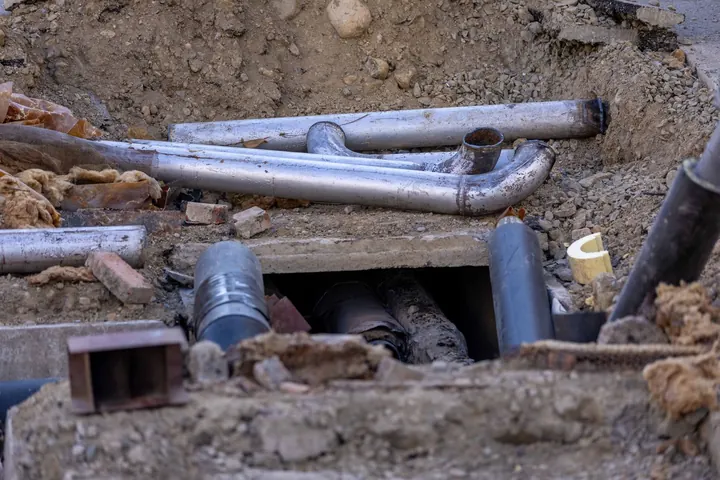
Before anyone listens over a buried line, the route has to be known. Electronic pipe locators and small transmitters called sondes trace where service lines, irrigation mains and yard pipes actually run, which is often not where the original plans show.
Each section of plumbing is isolated and held under pressure on a calibrated gauge. If the reading drops, that section is leaking. Testing hot, cold, supply and irrigation lines one at a time tells you exactly which system has the problem before anyone looks for the spot.
Water escaping a pressurized pipe makes a hiss that travels through the pipe, the slab and the soil. Ground microphones and electronic listening equipment amplify that sound so the specialist can follow it to the loudest point, which is usually the leak.
Why Texas Leak Detection Experts
Most plumbers can fix a pipe. Fewer can tell you exactly where an invisible leak is without opening walls, floors or the yard. Leak detection is that one job, done with the right equipment and a methodical process, so the repair is small and done once.
Lines are isolated and tested so the search covers one run, not the whole property.
Acoustic, thermal, moisture and tracer gas tools find the leak before anything is opened.
You hear where the leak is, what likely caused it and your repair options in plain language.
Shoe covers, careful access and a tidy work area every visit.
How it works
Step 01
Tell us what you are seeing. We help you shut off water if needed and confirm availability and pricing on the call.
Step 02
The specialist confirms the leak, isolates each line and uses acoustic, thermal or tracer gas tools to find the exact spot.
Step 03
The leak is marked, the cause explained and repair options laid out, so you decide what happens next.
Related services
Leaks do not always stay in one category. These services often go hand in hand with this one.
Yard & Buried LinesA soggy patch, a sinking spot or water bubbling up with no rain. We trace buried lines and locate underground leaks so you dig one small hole, not a trench.
Explore This Service High Bill?
A bill that doubled or a meter dial that keeps turning. We investigate unexplained water use and find where the water is going.
Explore This Service Pool & Hot Tub
Losing more than evaporation, an auto fill that never stops or wet ground by the equipment pad. We test the shell, fittings and plumbing.
Explore This ServiceWhere we work
We provide irrigation & sprinkler leak detection in 696 Texas cities and communities. Popular areas include:
What to expect
Every call follows the same simple standard, wherever you are in the state.
You hear where the leak is, what most likely caused it and what the repair options are, in plain language and before any work is agreed.
How pricing works is explained on the phone before anyone is sent, so there are no surprises when the specialist arrives.
Lines are tested and the leak pinpointed with acoustic, thermal or tracer gas equipment, so any opening is small and in the right place.
Gallery

FAQ
Common questions about irrigation & sprinkler leak detection in Texas.
Talk to a real leak specialist, not a sales script. Advice over the phone is free.
(800) 901 7671Turn off the house water and watch the meter with the irrigation supply open. If it moves, the leak is likely in the irrigation main or a valve. Run each zone and look for soggy spots, weak heads and water running off. A professional can pressure test the main and trace buried lines to pinpoint the leak.
Yes. A leak on the irrigation main loses water constantly, and in Texas summers a leaking zone can add a large amount to the bill. Irrigation is one of the most common causes of unexplained summer spikes.
Usually a broken lateral line, a cracked head fitting, or a zone valve that does not close completely. If the area is wet even when the system has been off for days, a weeping valve or a leak on the main line is likely.
Yes. Backflow preventers above ground and shallow pipes can crack in hard freezes. Shutting off and draining the system before a freeze, and insulating the backflow preventer, reduces the risk.
Texas regulates landscape irrigation work, and many repairs and installations must be done by a licensed irrigator, with backflow testing required in many cities. Check local rules before repairs.
Irrigation detection focuses on the sprinkler system: the main line, zone valves, lateral lines, heads and backflow preventer. Underground leak detection covers other buried water lines on the property such as lines to outbuildings.
Don't see your leak listed? If it involves water going where it should not, we can help you find it.
Talk To A SpecialistCall any time
One call to our 24/7 line gets a specialist working on your leak. Tell us what you are seeing and we will take it from there.