
 Lawn & Landscape
Irrigation & Sprinkler Leak Detection
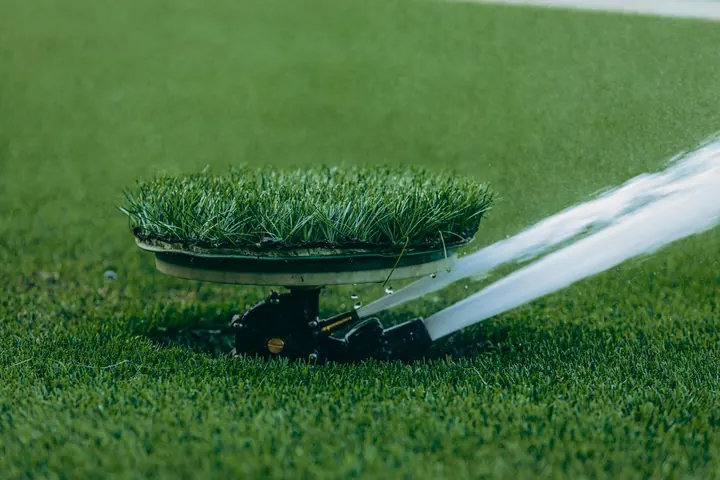
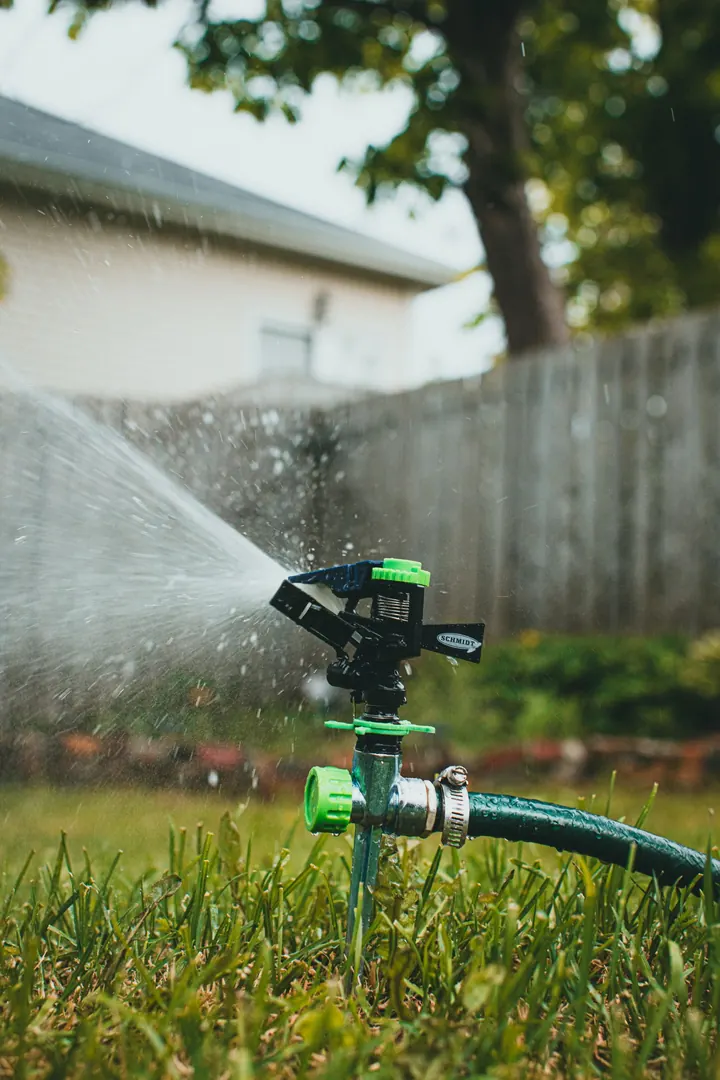
One zone that stays soggy, low pressure at the heads or a valve that will not shut off. We trace buried sprinkler lines and find the leak.
Explore This Service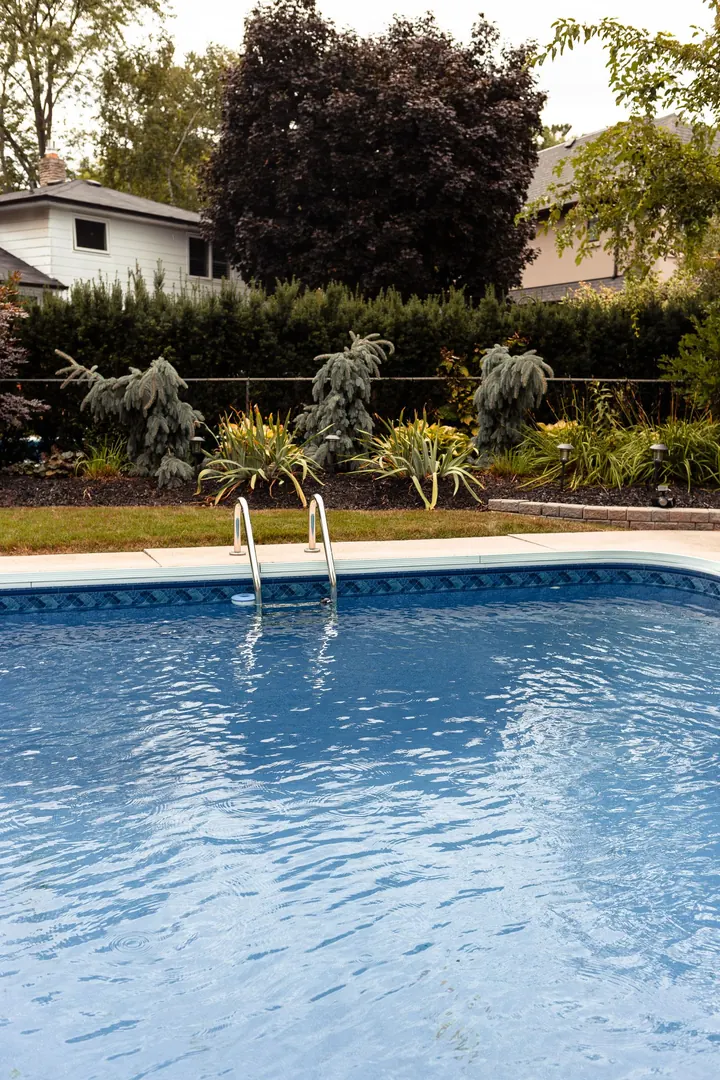
Pool & Spa Leak Detection in Texas
Texas heat evaporates a lot of pool water, so it can be hard to tell normal loss from a leak. We measure it, then test the shell, fittings and buried plumbing to find exactly where water is going.
Hot sun, low humidity and wind can take a noticeable amount of water from a Texas pool every day in summer. That is normal. A leak adds to that loss and usually continues whether the weather is hot or mild.
The bucket test. Place a bucket on the pool steps, fill it to match the pool level, and mark both water lines. Run the pump as usual for 24 hours. If the pool drops noticeably more than the bucket, you likely have a leak. Repeat with the pump off: if the loss changes, the leak is probably in the plumbing.
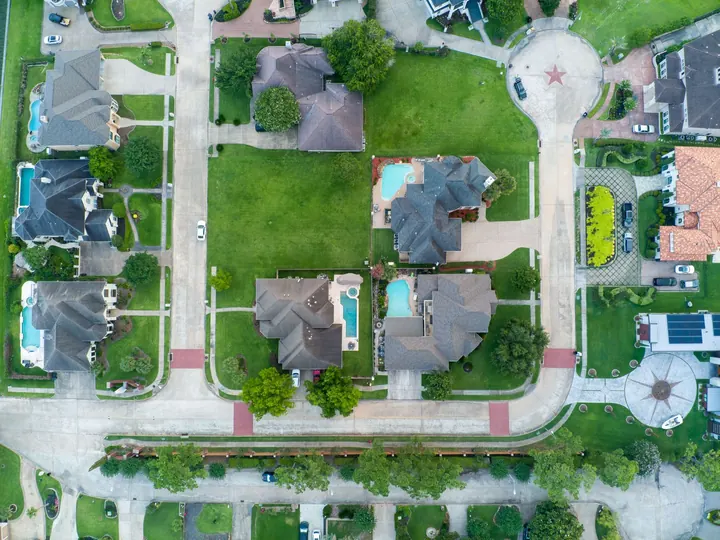
The same expansive clay that moves house foundations moves pool shells and the plumbing around them. Seasonal swelling and shrinking can crack shells, separate skimmers from concrete and stress buried pool lines. Pools on clay that have recently been through a drought followed by heavy rain are especially worth watching.
Think you have this kind of leak? A specialist can talk you through it right now.
Call NowWe confirm and measure the loss, then pressure test each line from the equipment pad: skimmer lines, main drain, returns, cleaner lines and spa lines. A line that will not hold pressure is leaking somewhere along its route. Acoustic equipment listens along that buried line to pinpoint the spot.
For the shell, we use dye testing at fittings, lights, cracks and the skimmer throat while the water is still, and inspect the equipment pad for drips. You get a clear list of what is leaking and what each repair involves.
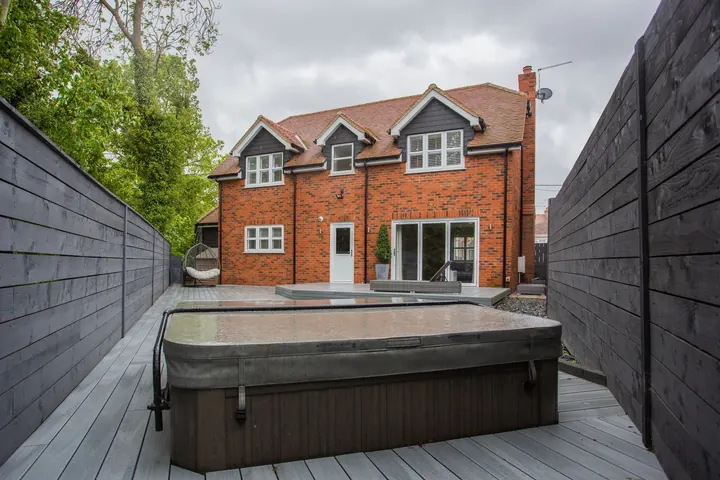
Attached spas share plumbing with the pool and are tested the same way. Portable hot tubs leak most often at pump seals, heater unions, jet bodies and fittings under the cabinet. We locate the leak so only the right panel needs to come off.
Detection methods
No single tool finds every leak. The specialist chooses the method by the type of pipe, where it runs and how loud the leak is.
Each section of plumbing is isolated and held under pressure on a calibrated gauge. If the reading drops, that section is leaking. Testing hot, cold, supply and irrigation lines one at a time tells you exactly which system has the problem before anyone looks for the spot.
In pools and spas, a small amount of colored dye is released near fittings, lights, skimmers and cracks while the water is still. If the dye is pulled into an opening, that opening is leaking.
Water escaping a pressurized pipe makes a hiss that travels through the pipe, the slab and the soil. Ground microphones and electronic listening equipment amplify that sound so the specialist can follow it to the loudest point, which is usually the leak.
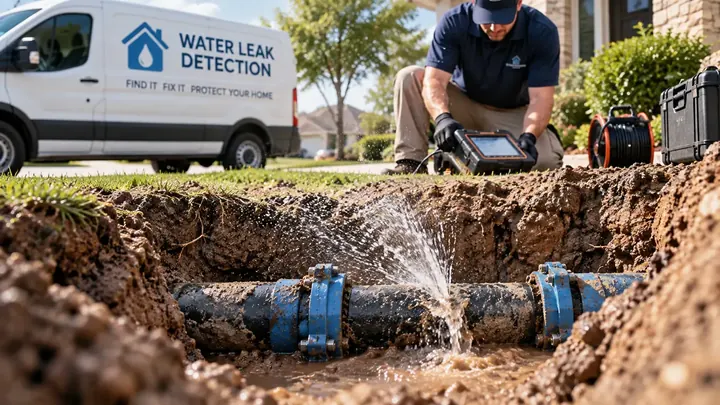
Why Texas Leak Detection Experts
Most plumbers can fix a pipe. Fewer can tell you exactly where an invisible leak is without opening walls, floors or the yard. Leak detection is that one job, done with the right equipment and a methodical process, so the repair is small and done once.
Lines are isolated and tested so the search covers one run, not the whole property.
Acoustic, thermal, moisture and tracer gas tools find the leak before anything is opened.
You hear where the leak is, what likely caused it and your repair options in plain language.
Shoe covers, careful access and a tidy work area every visit.
How it works
Step 01
Tell us what you are seeing. We help you shut off water if needed and confirm availability and pricing on the call.
Step 02
The specialist confirms the leak, isolates each line and uses acoustic, thermal or tracer gas tools to find the exact spot.
Step 03
The leak is marked, the cause explained and repair options laid out, so you decide what happens next.
Related services
Leaks do not always stay in one category. These services often go hand in hand with this one.
Lawn & LandscapeOne zone that stays soggy, low pressure at the heads or a valve that will not shut off. We trace buried sprinkler lines and find the leak.
Explore This Service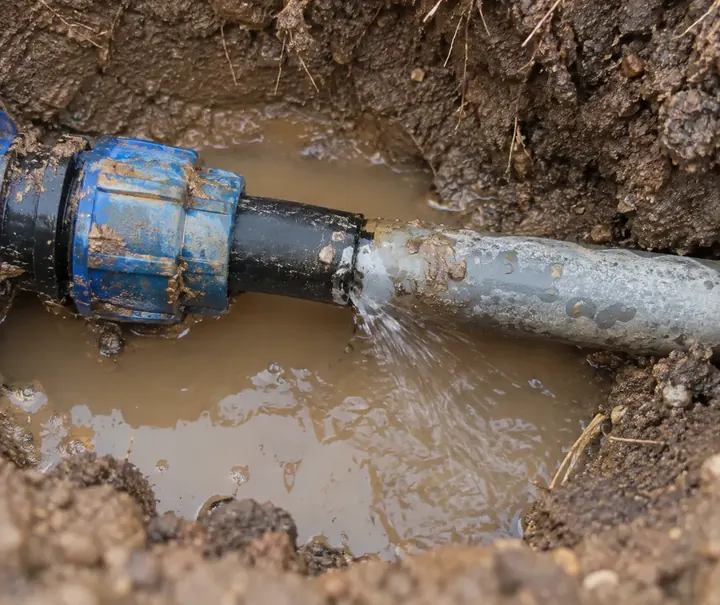 Yard & Buried Lines
A soggy patch, a sinking spot or water bubbling up with no rain. We trace buried lines and locate underground leaks so you dig one small hole, not a trench.
Explore This Service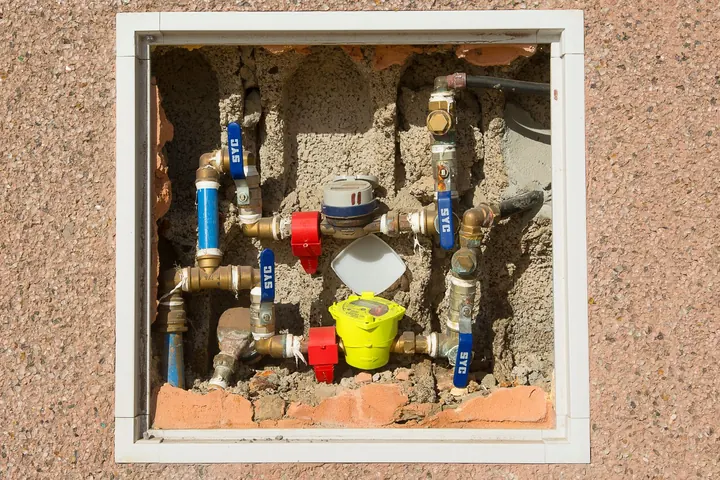 High Bill?
A bill that doubled or a meter dial that keeps turning. We investigate unexplained water use and find where the water is going.
Explore This ServiceWhere we work
We provide pool & spa leak detection in 696 Texas cities and communities. Popular areas include:
What to expect
Every call follows the same simple standard, wherever you are in the state.
You hear where the leak is, what most likely caused it and what the repair options are, in plain language and before any work is agreed.
How pricing works is explained on the phone before anyone is sent, so there are no surprises when the specialist arrives.
Lines are tested and the leak pinpointed with acoustic, thermal or tracer gas equipment, so any opening is small and in the right place.
Gallery




FAQ
Common questions about pool & spa leak detection in Texas.
Talk to a real leak specialist, not a sales script. Advice over the phone is free.
(800) 901 7671It varies with heat, wind, humidity and shade, but on hot, dry, windy summer days a pool can lose roughly a quarter inch or more. A bucket test compares your pool with a bucket under the same conditions to separate normal evaporation from a leak.
Signs include water loss beyond what the bucket test shows, an auto fill that runs constantly, wet ground near the pool or equipment pad, cracks in the shell or tile, algae that keeps returning, and air bubbles in the return jets.
The loss is measured, each plumbing line is pressure tested from the equipment pad, and the shell is checked with dye at fittings, lights, cracks and skimmers. Acoustic equipment pinpoints leaks in buried lines.
Yes. Clay that swells and shrinks with moisture changes can move the pool shell and the buried plumbing around it, causing cracks, skimmer separation and line leaks.
Yes. Attached spas are tested with the pool plumbing. Portable hot tubs are checked at pump seals, heater unions, jets and fittings so the right panel can be opened for repair.
No. Draining a pool can damage the shell, especially on expansive soil, and makes dye testing impossible. Leak detection is done with the pool full.
Don't see your leak listed? If it involves water going where it should not, we can help you find it.
Talk To A SpecialistCall any time
One call to our 24/7 line gets a specialist working on your leak. Tell us what you are seeing and we will take it from there.