
 Non Invasive
Hidden Water Leak Detection
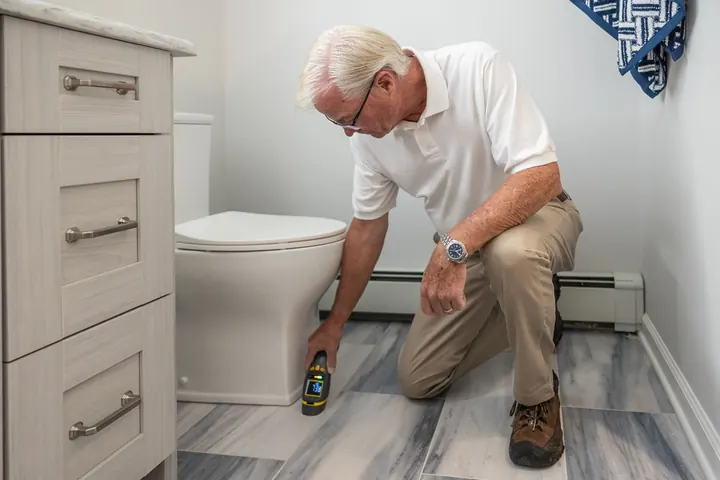
Musty smells, soft floors or a bill that keeps climbing with nothing visible. We find concealed leaks inside walls, floors and cabinets without tearing things apart.
Explore This Service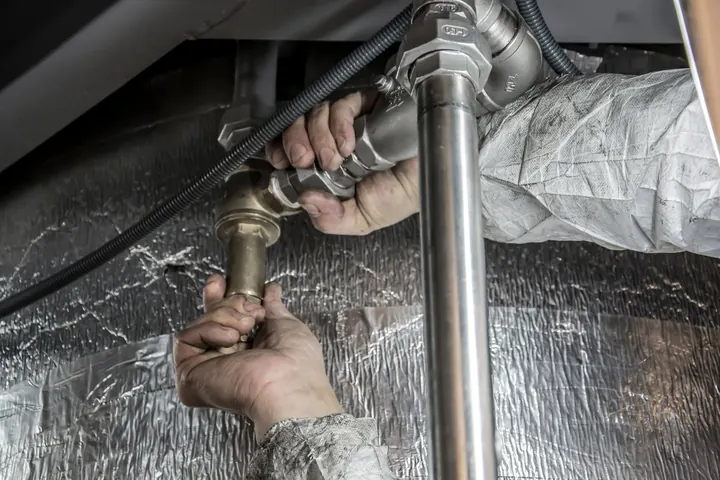
Crawl Space Leak Detection in Texas
In pier and beam homes, the plumbing runs through the crawl space under the floor. Leaks there can go unseen for months. We inspect, test and trace them to the exact pipe.
Before slab foundations became standard, many Texas homes were built on pier and beam foundations with a crawl space underneath. You still find them in older neighborhoods across the state, in rural areas, in East Texas, and in some newer custom homes on sloped or wet lots. Manufactured homes also have plumbing exposed beneath the floor.
The advantage is access: pipes can be reached without breaking concrete. The disadvantage is that nobody looks under the house very often, so leaks can run for a long time.
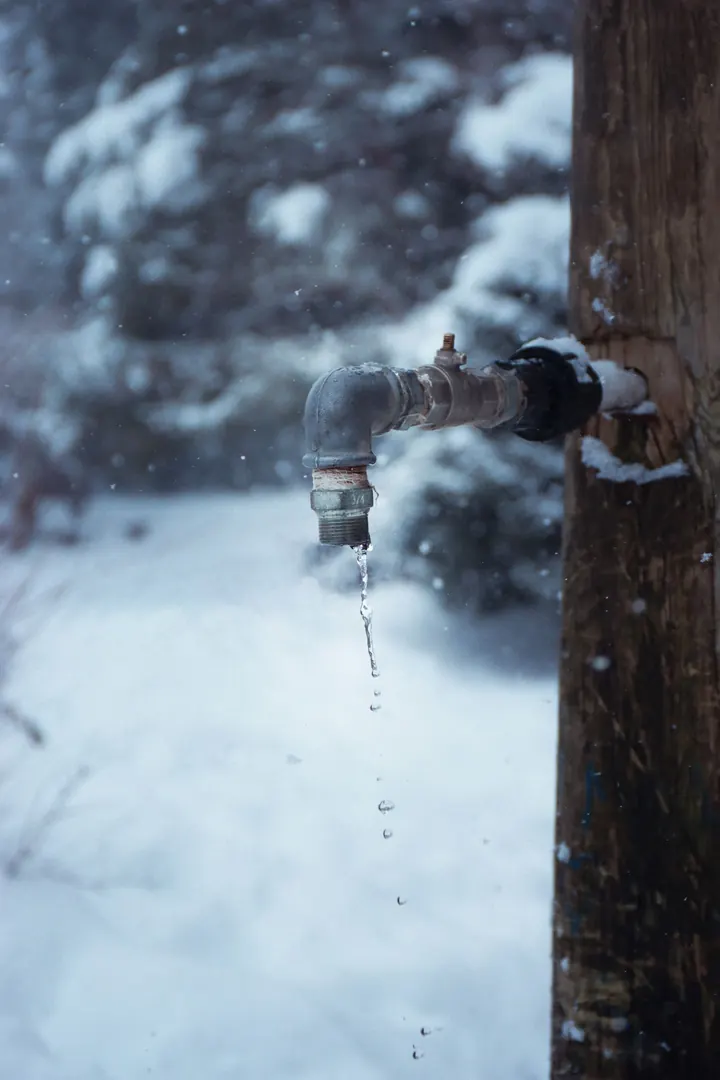
Pipes in crawl spaces are exposed to outside air. When a hard freeze reaches Texas, as it did across the whole state during Winter Storm Uri in February 2021, these are often the first pipes to split. Many cracks do not leak until the pipe thaws and pressure returns, and some only seep slowly.
After any hard freeze, a crawl space inspection and a meter check are worth doing even if nothing looks wrong inside.
Think you have this kind of leak? A specialist can talk you through it right now.
Call NowWe confirm water loss at the meter, then isolate supply lines to identify which branch is leaking. Inside the crawl space, we inspect pipes, joints and valves, use moisture meters on joists and subfloor to find where wetting starts, and use thermal imaging to follow warm or cool water paths along the pipes.
Drain leaks are checked by running fixtures one at a time while watching for drips. You get a clear account of what is leaking, where, and how far the water has spread.
Once the leak is fixed, the crawl space needs to dry out. Wet insulation should be removed, standing water drained, and ventilation or a vapor barrier checked. Pipes near vents and outside walls can be insulated to reduce the chance of the next freeze causing a break.
Detection methods
No single tool finds every leak. The specialist chooses the method by the type of pipe, where it runs and how loud the leak is.
Pin and pinless moisture meters measure how wet drywall, wood, subfloor and insulation really are. Mapping the readings shows where the water is spreading from and confirms when materials have dried after the repair.
Each section of plumbing is isolated and held under pressure on a calibrated gauge. If the reading drops, that section is leaking. Testing hot, cold, supply and irrigation lines one at a time tells you exactly which system has the problem before anyone looks for the spot.
An infrared camera shows temperature differences on floors, walls and ceilings. A leaking hot water line leaves a warm bloom, and evaporating water from a cold line shows as a cool patch, so the camera narrows the search area without touching the surface.
Why Texas Leak Detection Experts
Most plumbers can fix a pipe. Fewer can tell you exactly where an invisible leak is without opening walls, floors or the yard. Leak detection is that one job, done with the right equipment and a methodical process, so the repair is small and done once.
Lines are isolated and tested so the search covers one run, not the whole property.
Acoustic, thermal, moisture and tracer gas tools find the leak before anything is opened.
You hear where the leak is, what likely caused it and your repair options in plain language.
Shoe covers, careful access and a tidy work area every visit.
How it works
Step 01
Tell us what you are seeing. We help you shut off water if needed and confirm availability and pricing on the call.
Step 02
The specialist confirms the leak, isolates each line and uses acoustic, thermal or tracer gas tools to find the exact spot.
Step 03
The leak is marked, the cause explained and repair options laid out, so you decide what happens next.
Related services
Leaks do not always stay in one category. These services often go hand in hand with this one.
Non InvasiveMusty smells, soft floors or a bill that keeps climbing with nothing visible. We find concealed leaks inside walls, floors and cabinets without tearing things apart.
Explore This Service 24/7 Emergency
Running water sound, a meter that will not stop or damp spots with no clear source. We trace the plumbing leak to one spot before anything is opened.
Explore This Service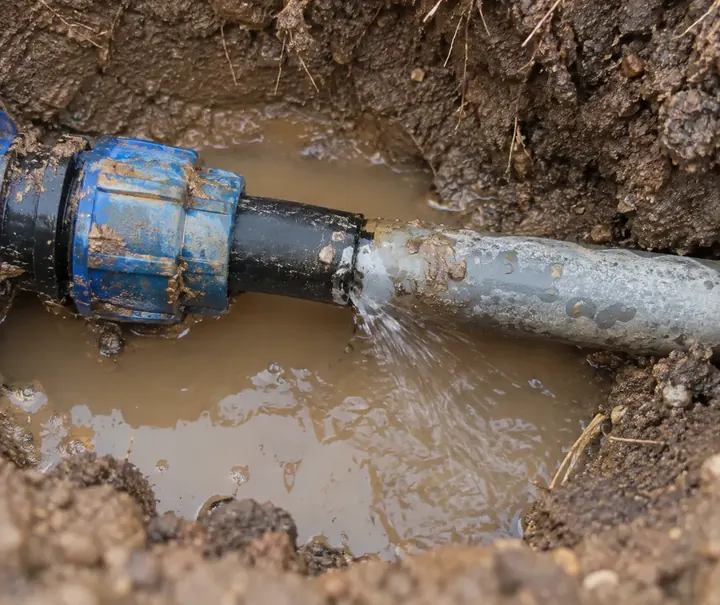 Yard & Buried Lines
A soggy patch, a sinking spot or water bubbling up with no rain. We trace buried lines and locate underground leaks so you dig one small hole, not a trench.
Explore This ServiceWhere we work
We provide crawl space leak detection in 696 Texas cities and communities. Popular areas include:
What to expect
Every call follows the same simple standard, wherever you are in the state.
You hear where the leak is, what most likely caused it and what the repair options are, in plain language and before any work is agreed.
How pricing works is explained on the phone before anyone is sent, so there are no surprises when the specialist arrives.
Lines are tested and the leak pinpointed with acoustic, thermal or tracer gas equipment, so any opening is small and in the right place.
Gallery




FAQ
Common questions about crawl space leak detection in Texas.
Talk to a real leak specialist, not a sales script. Advice over the phone is free.
(800) 901 7671Look for soft or sagging floors, a musty smell, damp insulation, standing water in the crawl space, and higher humidity indoors. Then check the water meter with everything off. If it moves and nothing is visible inside, a crawl space leak is a strong possibility.
A little dampness after heavy rain can happen, but standing water on a dry day is not normal. It may come from a supply line, a drain line, the water heater or poor drainage outside, and it should be traced before it damages wood and insulation.
Yes. Crawl space pipes are exposed to outside air, and hard freezes reach most of Texas from time to time, as Winter Storm Uri showed in February 2021. Insulating exposed pipes and closing vents during cold snaps lowers the risk.
Yes. Supply leaks are found by isolating and testing the pressurized lines. Drain leaks only appear when water is running, so we run fixtures one at a time and watch the drain lines under the house.
It can. Joists, subfloor and insulation that stay wet are ideal for mold and rot, especially in humid parts of Texas. Fixing the leak and drying the crawl space quickly protects the structure.
Manufactured homes have supply and drain lines under the floor, often behind a belly wrap, so leaks there behave much like crawl space leaks. We check them the same way, starting with the meter and working through each line.
Don't see your leak listed? If it involves water going where it should not, we can help you find it.
Talk To A SpecialistCall any time
One call to our 24/7 line gets a specialist working on your leak. Tell us what you are seeing and we will take it from there.