
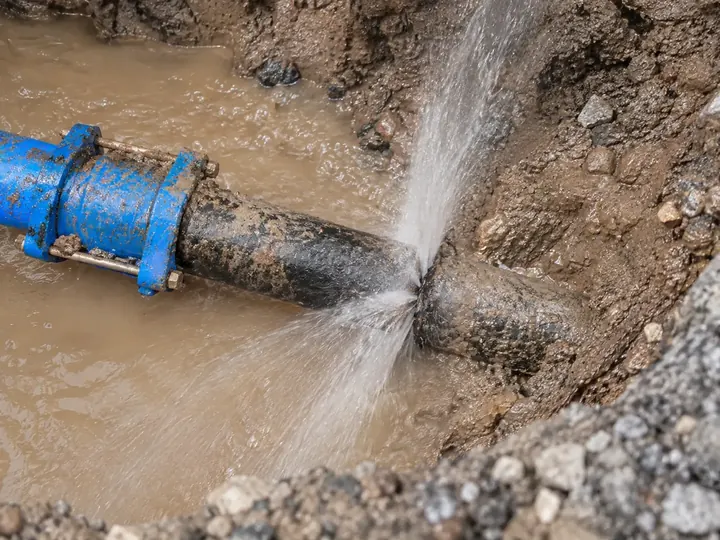
 Meter To House
Water Service Line Leak Detection
Low pressure, a wet meter box or a soggy strip between the street and the house. We locate leaks on the main line that feeds your home.
Explore This Service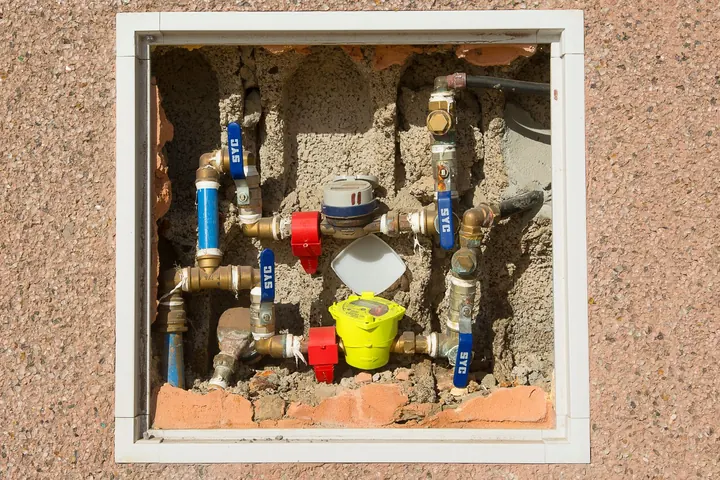
Water Meter & High Bill Leak Detection in Texas
A water bill that jumps for no reason is often the first sign of a hidden leak. We start at the meter, measure the loss, and follow it to the source.
When a Texas water bill jumps, the cause usually falls into one of a few groups: a leak inside the home, a leak on the service line or in the yard, an irrigation system problem, a running toilet, or a genuine change in use such as summer watering, a pool refill or extra people in the house. Occasionally it is a meter reading or billing error.
Our job is to separate those causes quickly, so you know whether you have a leak and where it is.
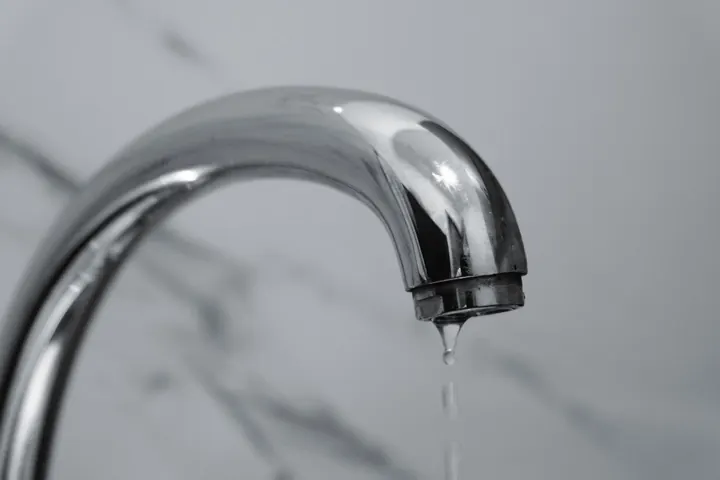
The 15 minute meter test. Turn off every faucet, appliance, ice maker and irrigation zone. Find your water meter, usually in a box near the street, and look for the small triangle or star shaped low flow indicator. Write down the reading, wait 15 minutes without using water, then check again.
If the indicator is spinning or the reading changed, water is leaking somewhere. Next, close the main shutoff at the house and look again. If it still moves, the leak is likely on the service line. If it stops, the leak is inside the home or on a line beyond the shutoff.
Think you have this kind of leak? A specialist can talk you through it right now.
Call NowWe compare your recent bills, then run timed meter tests with sections of the property shut off one by one: the house, the irrigation system, the pool fill and any outbuildings. That tells us which branch is losing water and roughly how much.
From there we use the right tool for that branch, whether that is a toilet dye test, pressure testing of the house plumbing, acoustic detection on the service line, or zone by zone checks on the sprinklers. You get findings you can act on, and documentation that many utilities ask for when you request a leak adjustment.
Many Texas water providers offer a one time bill adjustment when a customer finds and repairs a leak. Rules vary: some require a plumber's invoice, some ask for proof within a set number of days, and some exclude irrigation leaks. Contact the provider on your bill to ask what they need.
Detection methods
No single tool finds every leak. The specialist chooses the method by the type of pipe, where it runs and how loud the leak is.
With every fixture off, the low flow indicator on the water meter should stand still. Timed meter readings with sections of the home shut off one by one show whether water is being lost and roughly how fast.
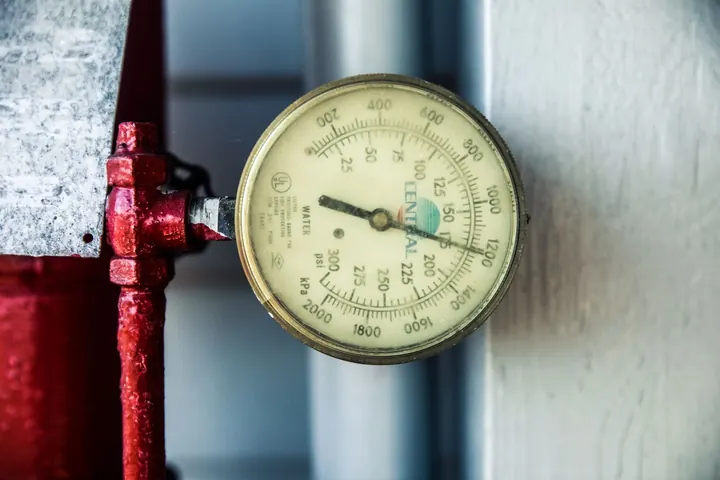
Each section of plumbing is isolated and held under pressure on a calibrated gauge. If the reading drops, that section is leaking. Testing hot, cold, supply and irrigation lines one at a time tells you exactly which system has the problem before anyone looks for the spot.
Water escaping a pressurized pipe makes a hiss that travels through the pipe, the slab and the soil. Ground microphones and electronic listening equipment amplify that sound so the specialist can follow it to the loudest point, which is usually the leak.
Why Texas Leak Detection Experts
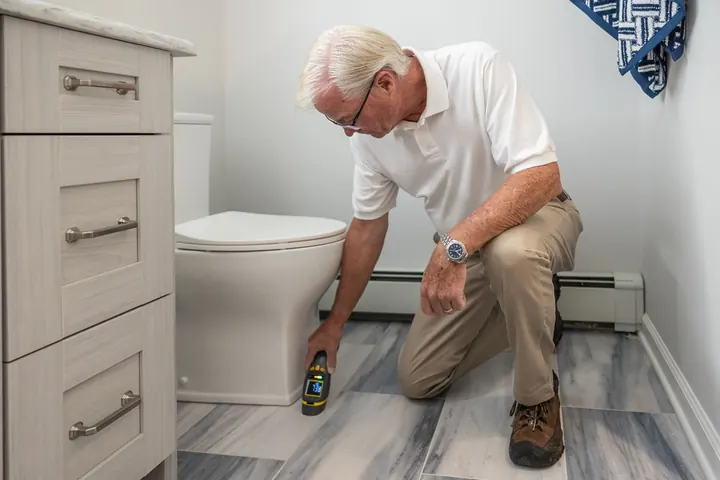
Most plumbers can fix a pipe. Fewer can tell you exactly where an invisible leak is without opening walls, floors or the yard. Leak detection is that one job, done with the right equipment and a methodical process, so the repair is small and done once.
Lines are isolated and tested so the search covers one run, not the whole property.
Acoustic, thermal, moisture and tracer gas tools find the leak before anything is opened.
You hear where the leak is, what likely caused it and your repair options in plain language.
Shoe covers, careful access and a tidy work area every visit.
How it works
Step 01
Tell us what you are seeing. We help you shut off water if needed and confirm availability and pricing on the call.
Step 02
The specialist confirms the leak, isolates each line and uses acoustic, thermal or tracer gas tools to find the exact spot.
Step 03
The leak is marked, the cause explained and repair options laid out, so you decide what happens next.
Related services
Leaks do not always stay in one category. These services often go hand in hand with this one.
Meter To HouseLow pressure, a wet meter box or a soggy strip between the street and the house. We locate leaks on the main line that feeds your home.
Explore This Service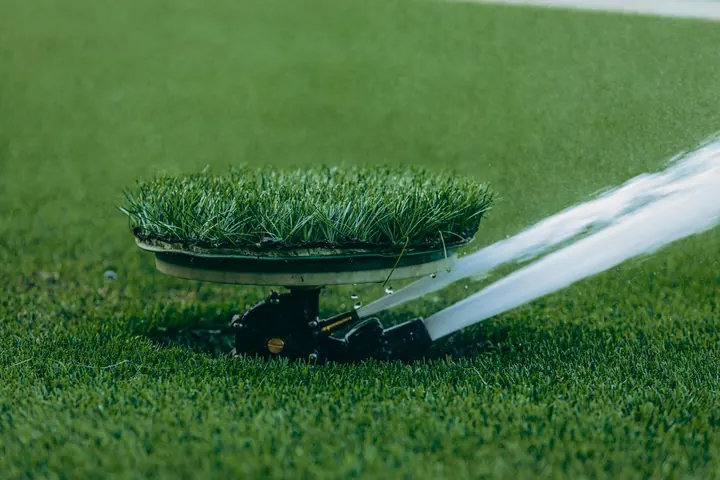 Lawn & Landscape
One zone that stays soggy, low pressure at the heads or a valve that will not shut off. We trace buried sprinkler lines and find the leak.
Explore This Service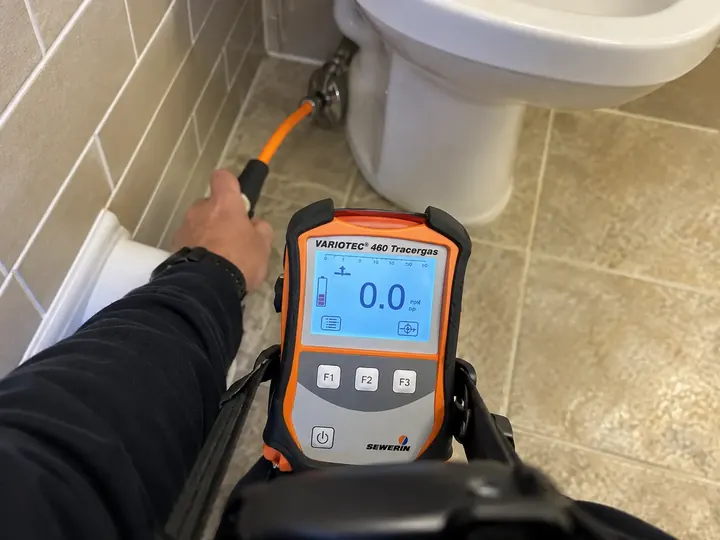 Popular In Texas
Warm spots on the floor, cracks or a water heater that never rests. We pinpoint leaks under your concrete foundation so the slab is opened in one place only.
Explore This ServiceWhere we work
We provide water meter & high bill leak detection in 696 Texas cities and communities. Popular areas include:
What to expect
Every call follows the same simple standard, wherever you are in the state.
You hear where the leak is, what most likely caused it and what the repair options are, in plain language and before any work is agreed.
How pricing works is explained on the phone before anyone is sent, so there are no surprises when the specialist arrives.
Lines are tested and the leak pinpointed with acoustic, thermal or tracer gas equipment, so any opening is small and in the right place.
Gallery





FAQ
Common questions about water meter & high bill leak detection in Texas.
Talk to a real leak specialist, not a sales script. Advice over the phone is free.
(800) 901 7671The most common reasons are a running toilet, a leak in the house plumbing or under the slab, a leak on the service line or in irrigation, a change in use such as summer watering, or a meter or billing error. A meter test with everything off shows quickly whether a leak is to blame.
Turn off all water use, find the meter box near the street and watch the low flow indicator, a small triangle or star. Take a reading, wait 15 minutes, and check again. Any movement means water is leaving the system.
Many Texas utilities offer a leak adjustment after a repair, but rules differ. Some require proof of repair within a set time, some limit how often you can apply, and some exclude irrigation leaks. Ask the provider shown on your bill.
Yes. A toilet with a worn flapper or stuck fill valve can waste a large amount of water every day without making much noise. Adding a few drops of food coloring to the tank and waiting without flushing is a quick test.
If the meter stays still with everything off, there is probably no continuous leak. The higher bill may come from irrigation schedules, seasonal use, a pool refill, intermittent leaks such as a toilet that runs occasionally, or a billing issue to raise with the utility.
Yes. If water is coming up near the meter on the street side, or the meter coupling is leaking, contact your water provider. Leaks on the utility side do not pass through your meter and are usually the utility's to repair.
Don't see your leak listed? If it involves water going where it should not, we can help you find it.
Talk To A SpecialistCall any time
One call to our 24/7 line gets a specialist working on your leak. Tell us what you are seeing and we will take it from there.