
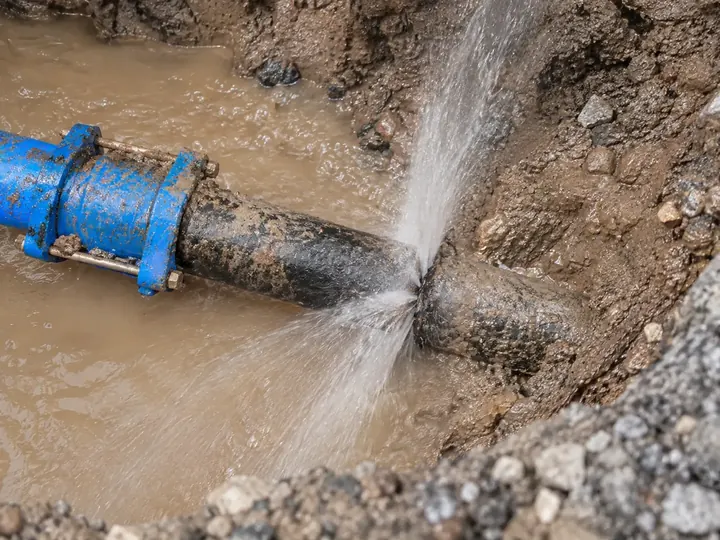
 Meter To House
Water Service Line Leak Detection
Low pressure, a wet meter box or a soggy strip between the street and the house. We locate leaks on the main line that feeds your home.
Explore This Service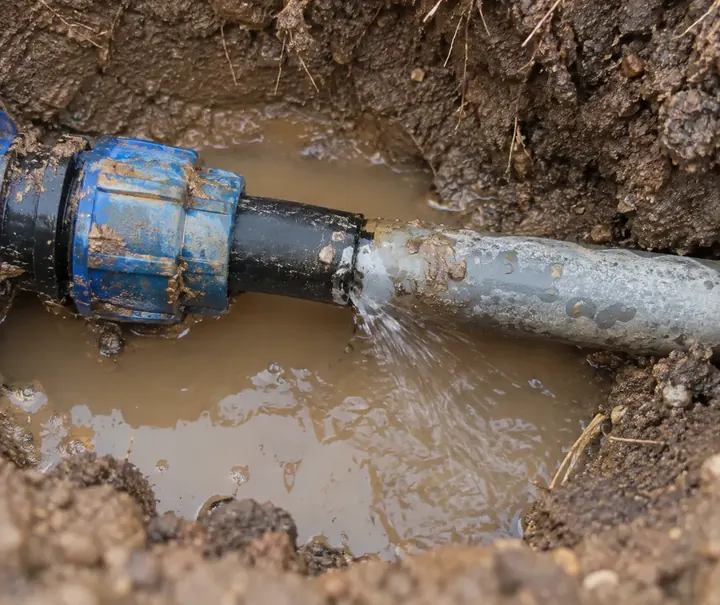
Underground Water Leak Detection in Texas
When the leak is somewhere under the yard, the driveway or the patio, digging blind is slow and expensive. We trace the buried line and find the exact spot from the surface.
Many water lines on a property never come into the house: lines to detached garages, guest houses, barns, outdoor kitchens, hose bibs, pools and yard hydrants, and the long runs that rural properties need. When one of them leaks, the water simply disappears into the soil.
This page covers finding those buried leaks. If the problem is specifically the line between your water meter and the house, see our page on water service line leak detection.

Water can travel along a pipe trench before surfacing, so the wet spot is not always above the leak.
Digging in Texas ranges from heavy clay that turns to glue when wet, to caliche and limestone a few inches down in Central and West Texas, to roots, sprinkler lines and utility cables almost everywhere. Every extra hole means more labor, more landscape repair and more risk of hitting something else.
Locating the leak first means one small excavation in the right place.
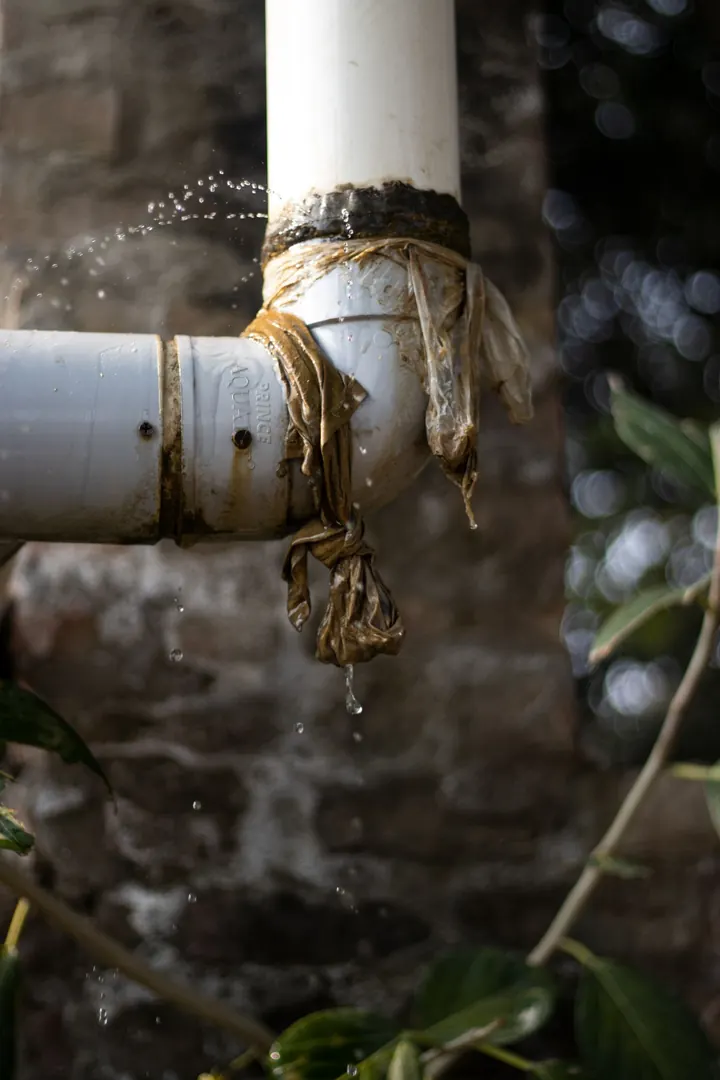
Think you have this kind of leak? A specialist can talk you through it right now.
Call NowWe start by confirming the leak and isolating the buried line from the house plumbing. Then we trace where the pipe actually runs with an electronic locator or a sonde pushed through the line, and mark the route on the ground.
Acoustic ground microphones listen along that route for the point where the leak noise peaks. Plastic pipe carries sound poorly, so on quiet leaks and plastic lines we use tracer gas, which escapes at the leak and rises through the soil to the detector. The leak point is marked for the repair.
Most underground leaks are repaired by digging a small hole at the marked spot and replacing a short section of pipe. If the line is old, shallow or has failed in several places, running a new line may make more sense. Before any excavation, public utility lines should be marked through Texas 811, which is a free service.
Detection methods
No single tool finds every leak. The specialist chooses the method by the type of pipe, where it runs and how loud the leak is.
Before anyone listens over a buried line, the route has to be known. Electronic pipe locators and small transmitters called sondes trace where service lines, irrigation mains and yard pipes actually run, which is often not where the original plans show.
Water escaping a pressurized pipe makes a hiss that travels through the pipe, the slab and the soil. Ground microphones and electronic listening equipment amplify that sound so the specialist can follow it to the loudest point, which is usually the leak.
When a leak is too quiet to hear, the line is drained and filled with a safe hydrogen and nitrogen mix. The gas escapes through the smallest crack and rises through concrete or soil, where a sensitive detector picks it up at the surface.
Why Texas Leak Detection Experts
Most plumbers can fix a pipe. Fewer can tell you exactly where an invisible leak is without opening walls, floors or the yard. Leak detection is that one job, done with the right equipment and a methodical process, so the repair is small and done once.
Lines are isolated and tested so the search covers one run, not the whole property.
Acoustic, thermal, moisture and tracer gas tools find the leak before anything is opened.
You hear where the leak is, what likely caused it and your repair options in plain language.
Shoe covers, careful access and a tidy work area every visit.
How it works
Step 01
Tell us what you are seeing. We help you shut off water if needed and confirm availability and pricing on the call.
Step 02
The specialist confirms the leak, isolates each line and uses acoustic, thermal or tracer gas tools to find the exact spot.
Step 03
The leak is marked, the cause explained and repair options laid out, so you decide what happens next.
Related services
Leaks do not always stay in one category. These services often go hand in hand with this one.
Meter To HouseLow pressure, a wet meter box or a soggy strip between the street and the house. We locate leaks on the main line that feeds your home.
Explore This Service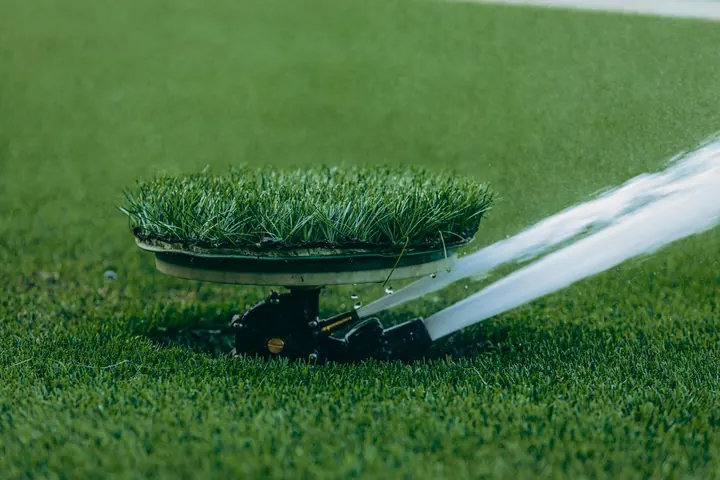 Lawn & Landscape
One zone that stays soggy, low pressure at the heads or a valve that will not shut off. We trace buried sprinkler lines and find the leak.
Explore This Service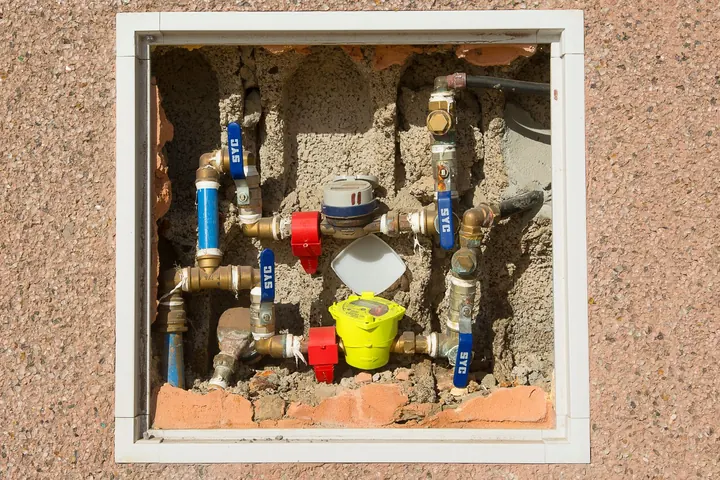 High Bill?
A bill that doubled or a meter dial that keeps turning. We investigate unexplained water use and find where the water is going.
Explore This ServiceWhere we work
We provide underground water leak detection in 696 Texas cities and communities. Popular areas include:
What to expect
Every call follows the same simple standard, wherever you are in the state.
You hear where the leak is, what most likely caused it and what the repair options are, in plain language and before any work is agreed.
How pricing works is explained on the phone before anyone is sent, so there are no surprises when the specialist arrives.
Lines are tested and the leak pinpointed with acoustic, thermal or tracer gas equipment, so any opening is small and in the right place.
Gallery



FAQ
Common questions about underground water leak detection in Texas.
Talk to a real leak specialist, not a sales script. Advice over the phone is free.
(800) 901 7671We isolate the buried line, trace its route with an electronic pipe locator, then listen along the route with acoustic ground microphones. For quiet leaks or plastic pipe, tracer gas is pumped into the line and detected where it escapes at the surface. The exact spot is marked for repair.
In most Texas cities the utility is responsible for the meter and the pipe on its side, and the property owner is responsible for pipes on the property side of the meter, including yard lines. Check with your water provider, because rules vary by utility.
Depth varies by age, region and installer, from a few inches on some older or rural lines to a foot or more on newer service lines. That uncertainty is why we trace the route and depth before anyone digs.
Yes. In sandy soil or near a drain, water can run away underground without surfacing. In clay, it may travel along the pipe trench before appearing somewhere else. A meter test is the best way to confirm.
Texas law requires a call to 811 before excavation so buried utility lines can be marked. It is free and usually takes a couple of business days, though emergency locates are available.
Underground detection covers any buried water pipe on the property. Service line detection focuses on the specific supply pipe from the meter to the house, including meter box and shutoff issues. Both use similar tools.
Don't see your leak listed? If it involves water going where it should not, we can help you find it.
Talk To A SpecialistCall any time
One call to our 24/7 line gets a specialist working on your leak. Tell us what you are seeing and we will take it from there.