
 Fast Response
Ceiling & Wall Leak Detection
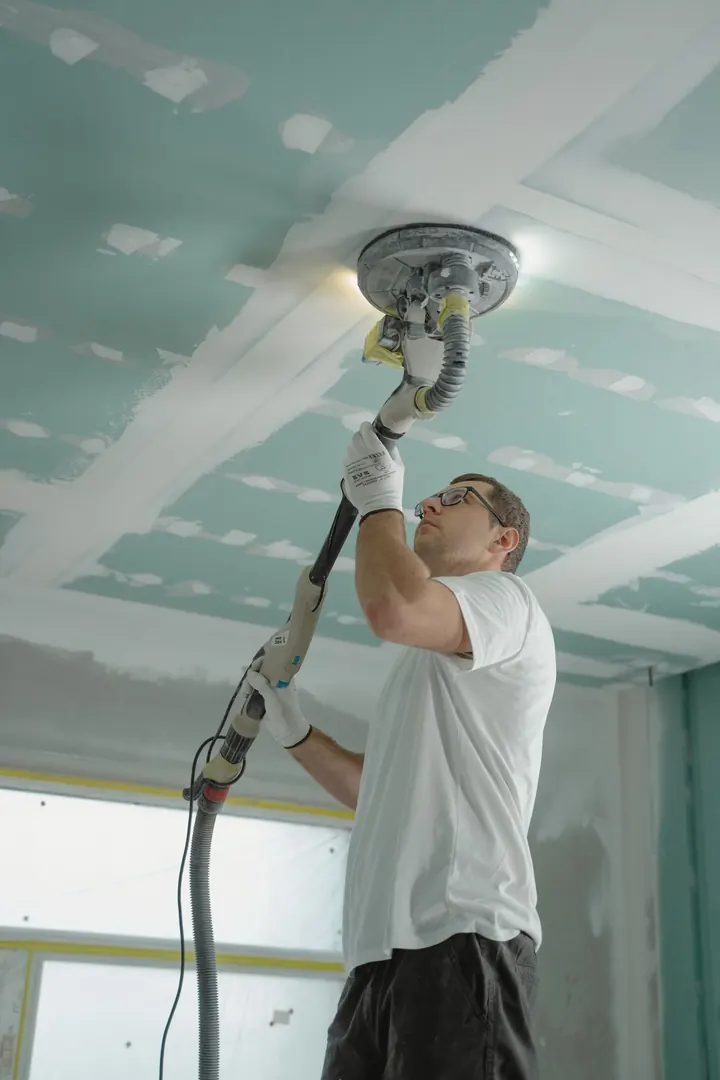
A brown ring on the ceiling or a damp patch on the wall. We trace it to the pipe, drain, fixture or AC line responsible before any drywall comes down.
Explore This Service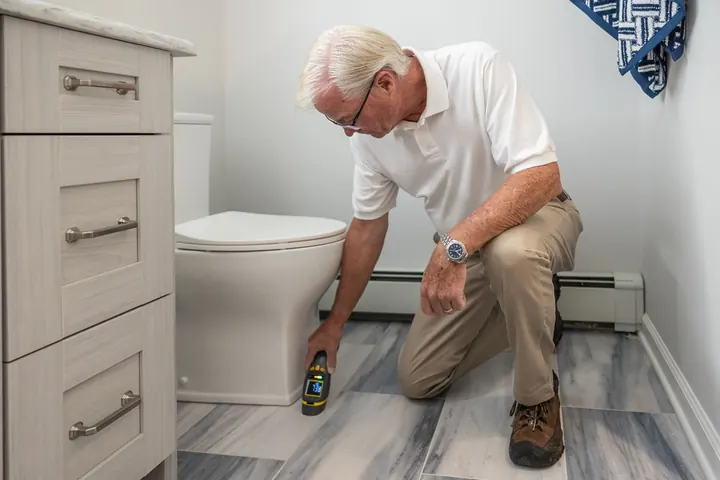
Hidden Water Leak Detection in Texas
The hardest leaks are the ones you cannot see. We use thermal cameras, moisture mapping, acoustic equipment and tracer gas to locate concealed leaks so nobody has to open walls on a hunch.
A hidden leak is any leak in pressurized plumbing that you cannot see: a pinhole in a pipe inside a wall cavity, a failed fitting under a tub, a seeping valve behind a cabinet back, or a supply line in the floor system between two stories. The water goes somewhere, but it soaks into insulation, wood and drywall long before it shows.
Concealed leaks are common in Texas homes because so much of the plumbing runs through walls, ceilings and slabs. They are also the leaks most likely to cause mold and structural damage, because they can run for months unnoticed.
Without equipment, finding a hidden leak means cutting inspection holes and hoping. Every wrong opening adds drywall repair, painting and sometimes tile or cabinet work. Worse, a guess can miss the leak entirely, so the damage keeps spreading.
Professional detection flips that order. We locate the leak first, then the repair opening goes in one place. For most homeowners that saves both money and days of disruption.

Think you have this kind of leak? A specialist can talk you through it right now.
Call NowWe start by confirming water loss at the meter and isolating the system to see whether the leak is on the hot side, the cold side or a specific branch. Thermal imaging then scans walls, ceilings and floors for the temperature patterns that moving water leaves behind. Moisture meters map how far the water has spread and where readings peak.
Acoustic equipment listens along the suspect pipe run, and when a leak is too small to hear, tracer gas finds it by escaping through the opening and rising to the surface. The result is a marked spot, a clear explanation and photos of the readings where helpful.
Much of Texas, especially the eastern half and the Gulf Coast, is humid for much of the year. Wet drywall and framing dry slowly in those conditions, which gives mold time to grow. If a hidden leak is found, drying the area properly matters as much as fixing the pipe. Moisture readings taken after the repair confirm when the materials are truly dry.
Detection methods
No single tool finds every leak. The specialist chooses the method by the type of pipe, where it runs and how loud the leak is.
An infrared camera shows temperature differences on floors, walls and ceilings. A leaking hot water line leaves a warm bloom, and evaporating water from a cold line shows as a cool patch, so the camera narrows the search area without touching the surface.
Pin and pinless moisture meters measure how wet drywall, wood, subfloor and insulation really are. Mapping the readings shows where the water is spreading from and confirms when materials have dried after the repair.
Water escaping a pressurized pipe makes a hiss that travels through the pipe, the slab and the soil. Ground microphones and electronic listening equipment amplify that sound so the specialist can follow it to the loudest point, which is usually the leak.
When a leak is too quiet to hear, the line is drained and filled with a safe hydrogen and nitrogen mix. The gas escapes through the smallest crack and rises through concrete or soil, where a sensitive detector picks it up at the surface.
Why Texas Leak Detection Experts
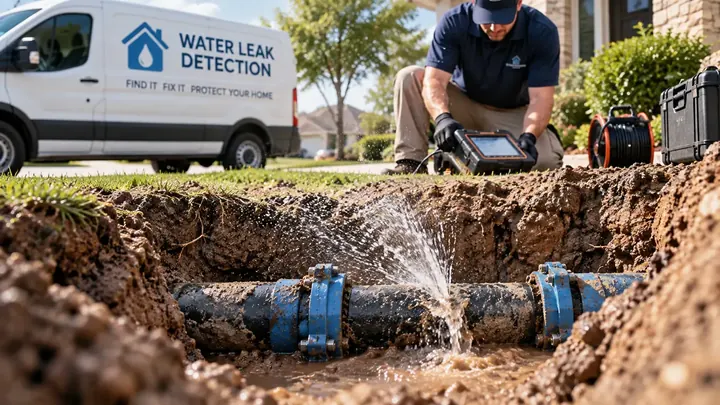
Most plumbers can fix a pipe. Fewer can tell you exactly where an invisible leak is without opening walls, floors or the yard. Leak detection is that one job, done with the right equipment and a methodical process, so the repair is small and done once.
Lines are isolated and tested so the search covers one run, not the whole property.
Acoustic, thermal, moisture and tracer gas tools find the leak before anything is opened.
You hear where the leak is, what likely caused it and your repair options in plain language.
Shoe covers, careful access and a tidy work area every visit.
How it works
Step 01
Tell us what you are seeing. We help you shut off water if needed and confirm availability and pricing on the call.
Step 02
The specialist confirms the leak, isolates each line and uses acoustic, thermal or tracer gas tools to find the exact spot.
Step 03
The leak is marked, the cause explained and repair options laid out, so you decide what happens next.
Related services
Leaks do not always stay in one category. These services often go hand in hand with this one.
Fast ResponseA brown ring on the ceiling or a damp patch on the wall. We trace it to the pipe, drain, fixture or AC line responsible before any drywall comes down.
Explore This Service24/7 EmergencyRunning water sound, a meter that will not stop or damp spots with no clear source. We trace the plumbing leak to one spot before anything is opened.
Explore This Service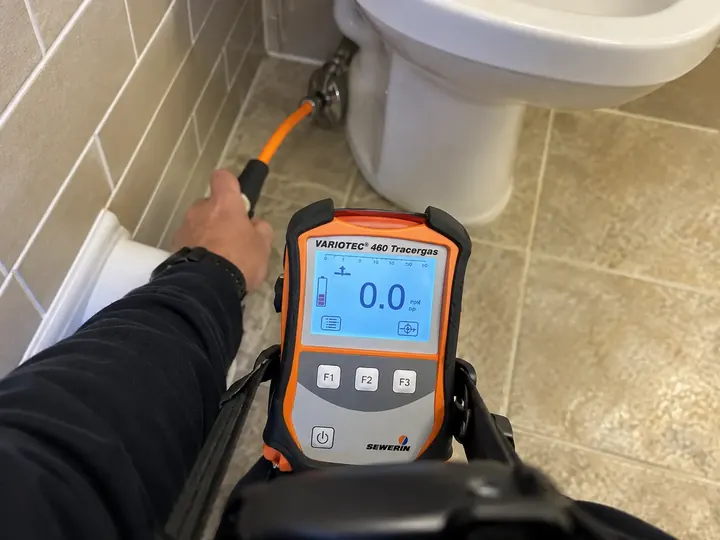 Popular In Texas
Warm spots on the floor, cracks or a water heater that never rests. We pinpoint leaks under your concrete foundation so the slab is opened in one place only.
Explore This ServiceWhere we work
We provide hidden water leak detection in 696 Texas cities and communities. Popular areas include:
What to expect
Every call follows the same simple standard, wherever you are in the state.
You hear where the leak is, what most likely caused it and what the repair options are, in plain language and before any work is agreed.
How pricing works is explained on the phone before anyone is sent, so there are no surprises when the specialist arrives.
Lines are tested and the leak pinpointed with acoustic, thermal or tracer gas equipment, so any opening is small and in the right place.
Gallery

FAQ
Common questions about hidden water leak detection in Texas.
Talk to a real leak specialist, not a sales script. Advice over the phone is free.
(800) 901 7671They combine several tools. A meter test confirms water is being lost, valves isolate the affected part of the system, thermal cameras and moisture meters narrow the area, and acoustic equipment or tracer gas pinpoints the exact spot. Using them together is what makes the result accurate.
A thermal camera cannot see through a wall, but it shows temperature differences on the surface. Water from a leak changes the temperature of the drywall or floor around it, so the camera reveals where to look. It is then confirmed with moisture readings or acoustic equipment.
Turn everything off and check the water meter. If it moves, there is a leak. Musty smells, bubbling paint, swollen baseboards, cupped flooring and recurring mold spots are also strong signs of a concealed leak.
Coverage depends on your policy. Many policies cover sudden water damage and sometimes the cost of accessing the pipe, but not long term seepage or the pipe repair itself. A documented leak location and cause helps when you talk to your insurer.
Usually just enough to reach the pipe and make the repair, often around the size of a shoebox in drywall. Precise detection is what keeps the opening small and in the right place the first time.
Yes. Drywall, insulation and wood that stay wet for more than a day or two can support mold growth, especially in humid parts of Texas. Finding and fixing the leak quickly, then confirming the area has dried, is the best prevention.
Don't see your leak listed? If it involves water going where it should not, we can help you find it.
Talk To A SpecialistCall any time
One call to our 24/7 line gets a specialist working on your leak. Tell us what you are seeing and we will take it from there.