
 24/7 Emergency
Water Leak Detection
Running water sound, a meter that will not stop or damp spots with no clear source. We trace the plumbing leak to one spot before anything is opened.
Explore This Service
Lawn, Taylor County
Hidden, slab, underground and high water bill leaks located across Lawn and Taylor County. Call our 24/7 line and a specialist will start with your symptoms.
Local leak detection
From a slow drip under a slab to a burst line in the yard, Lawn homeowners call us when water is going somewhere it should not. The city is in Taylor County, the Big Country and Concho Valley, and is home to about 347 people.
About 87% of homes here are detached single family houses, and the typical home was built around 1961. That mix shapes the leaks we see most often, which is why this page focuses on the problems that actually come up in Lawn rather than a generic checklist.
Figures from the U.S. Census Bureau American Community Survey 2019 to 2023 five year estimates and the USDA Plant Hardiness Zone Map.
Local leak problems
Based on the age and type of homes here, the ground they sit on and local winters.
49% of homes predate 1960 and 10% are manufactured homes, so a good share of Lawn plumbing runs under raised floors. Those lines are exposed to cold and rarely inspected, which lets a slow leak soak joists and insulation for months.
With 1 water systems registered locally and many older lots, service lines in Lawn vary widely in age, material and route. A leak between the meter and the house shows as low pressure, a wet meter box or a soggy strip across the yard.
Properties around Lawn often have long buried lines to barns, shops and guest houses, laid in rocky or caliche ground. Locating the leak before digging matters more here than almost anywhere, because every wrong hole is slow and costly.
Whatever the cause, most Lawn leaks show up on the water bill first. A 15 minute meter test with everything off is the quickest way to confirm a leak before you call.
According to the U.S. Census Bureau American Community Survey, 2019 to 2023, 49% of homes in the Lawn area were built before 1960, 31% between 1960 and 1979, 16% between 1980 and 1999, and 4% since 2000.
With so many older homes, Lawn still has galvanized steel supply pipe, cast iron drains and pier and beam foundations in its established neighborhoods. Galvanized pipe corrodes from the inside and tends to leak at threaded joints, and crawl space plumbing is exposed to freezes.
About 88% of occupied homes are owner occupied, so most callers are homeowners deciding on their own repairs.
Lawn lies in the Big Country and Concho Valley. Soils range from red clay loams to rocky ground with caliche near the surface, and the climate is drier than the eastern half of the state. Hard, mineral rich water is hard on pipes and fixtures, and rocky ground makes guessing where to dig an expensive mistake.
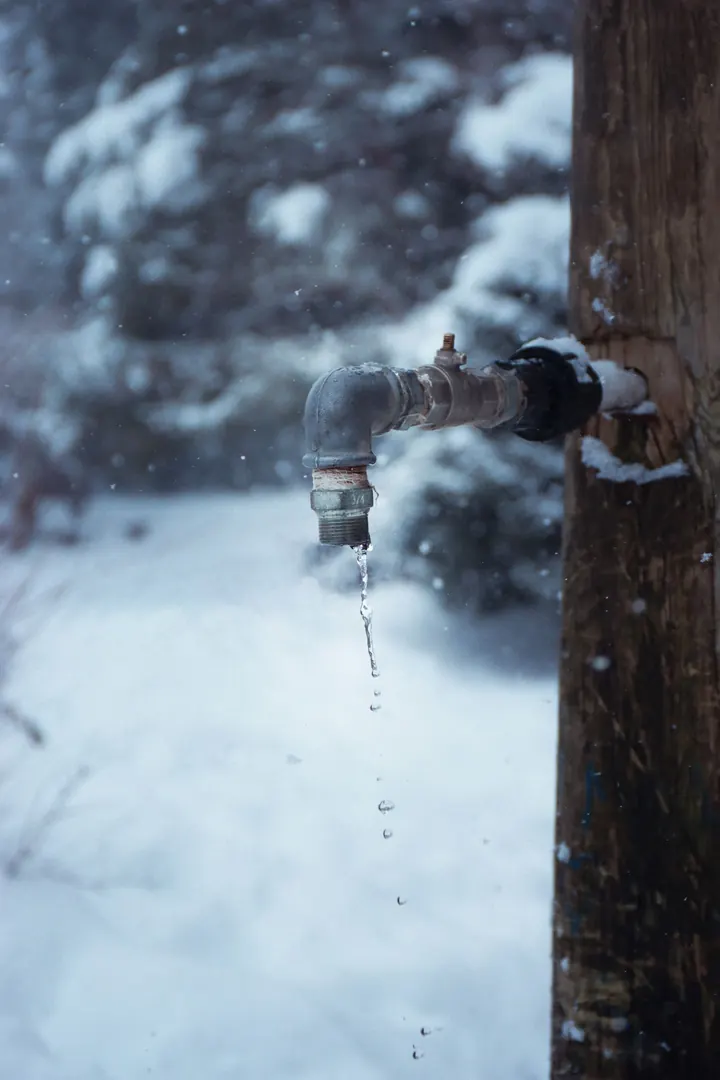
The Lawn area is in USDA Plant Hardiness Zone 8a, which means the coldest night of a typical winter drops to about 10 to 15 degrees Fahrenheit. A few hard freezes arrive most winters, and a severe cold snap like February 2021 can split pipes in attics, exterior walls and crawl spaces.
Expect hot summers, low rainfall, strong winds and colder winter nights than Central Texas. Along US Highway 84 and the rest of the Lawn area, outdoor taps, attic lines and irrigation backflow preventers take the brunt of it.
The main public water system for Lawn is City of Lawn, listed in the EPA Safe Drinking Water Information System as system TX2210005, serving about 660 people.
For a typical Lawn home, City of Lawn looks after the meter and the pipe on the street side, while the service line from the meter to the house belongs to the owner. If water is bubbling up at the meter box, report it to City of Lawn first. If the dial moves with every tap off, the leak is on your side, and a meter leak test is where we start.
Main numbered routes through the Lawn area include US Highway 84, and we cover addresses along all of them.
Nearby communities we also serve include Ovalo (about 4 miles), Tuscola (about 6 miles), Goldsboro (about 7 miles), Buffalo Gap (about 11 miles), Novice (about 13 miles).
Services available here
Every service below is available to homes and businesses in Lawn and across Taylor County.
24/7 EmergencyRunning water sound, a meter that will not stop or damp spots with no clear source. We trace the plumbing leak to one spot before anything is opened.
Explore This Service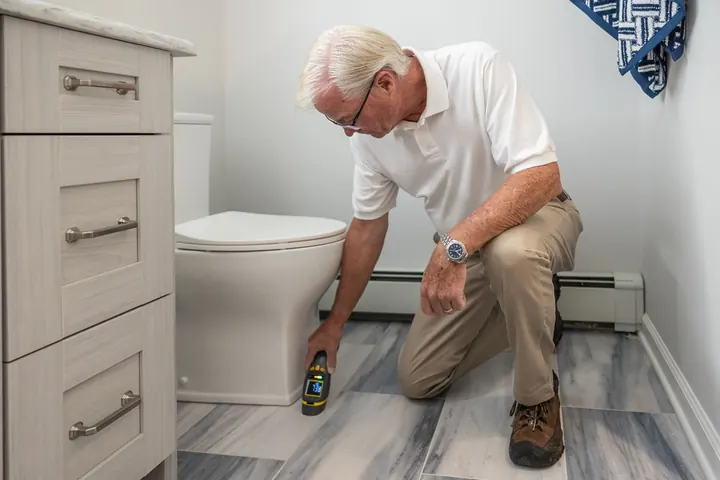 Non Invasive
Musty smells, soft floors or a bill that keeps climbing with nothing visible. We find concealed leaks inside walls, floors and cabinets without tearing things apart.
Explore This Service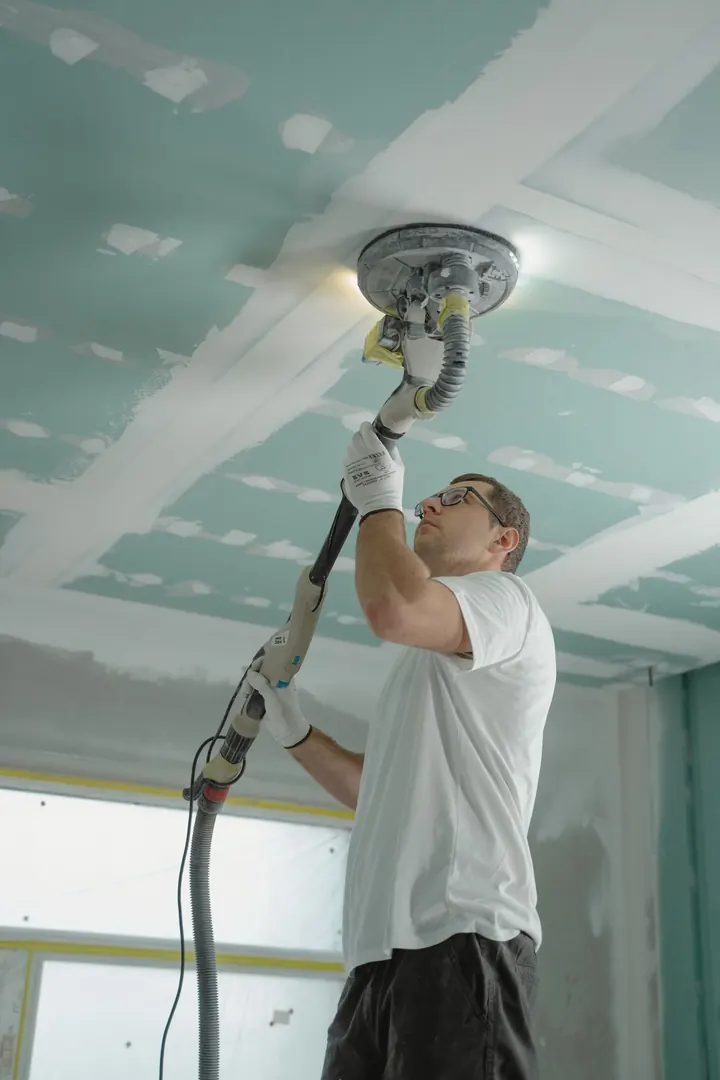 Fast Response
A brown ring on the ceiling or a damp patch on the wall. We trace it to the pipe, drain, fixture or AC line responsible before any drywall comes down.
Explore This Service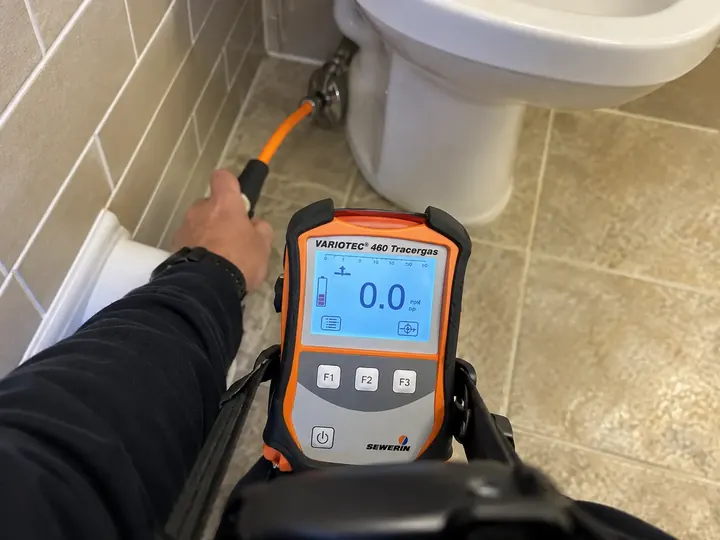 Popular In Texas
Warm spots on the floor, cracks or a water heater that never rests. We pinpoint leaks under your concrete foundation so the slab is opened in one place only.
Explore This ServicePier & Beam HomesSoft floors, standing water or a musty smell under the house. We inspect pier and beam crawl spaces and trace leaks in the supply and drain lines.
Explore This Service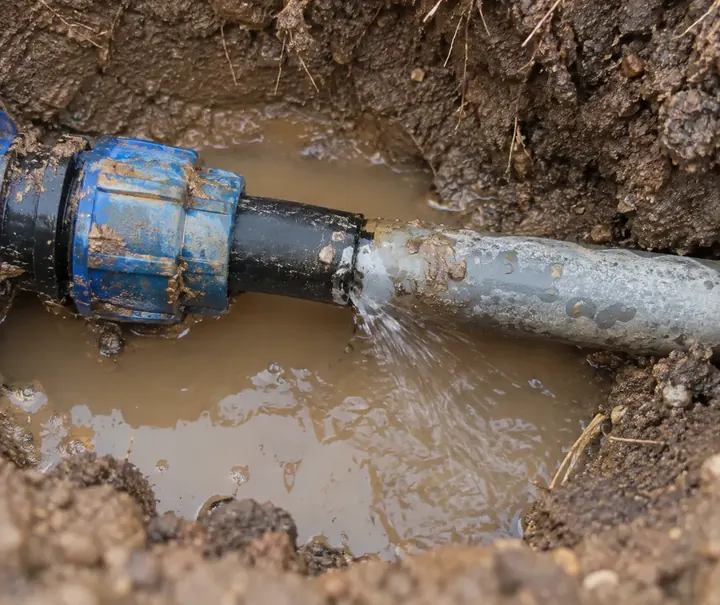 Yard & Buried Lines
A soggy patch, a sinking spot or water bubbling up with no rain. We trace buried lines and locate underground leaks so you dig one small hole, not a trench.
Explore This Service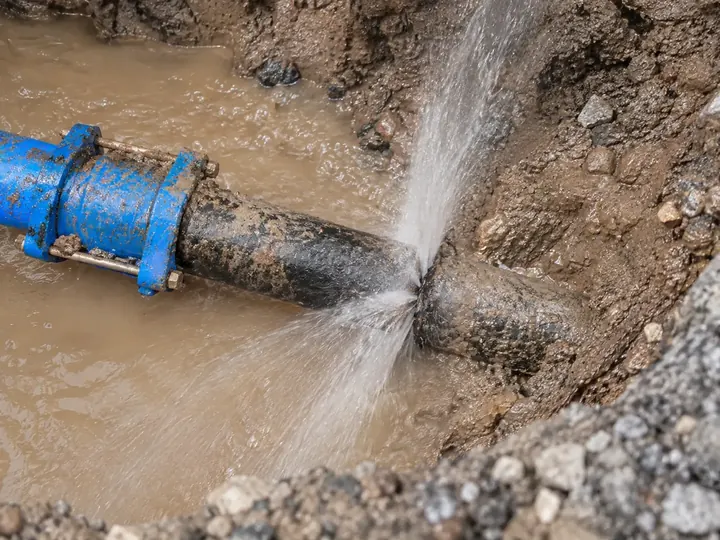 Meter To House
Low pressure, a wet meter box or a soggy strip between the street and the house. We locate leaks on the main line that feeds your home.
Explore This Service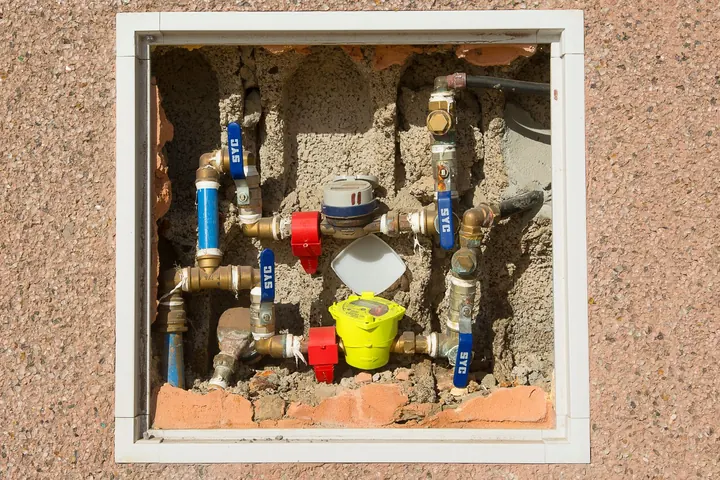 High Bill?
A bill that doubled or a meter dial that keeps turning. We investigate unexplained water use and find where the water is going.
Explore This Service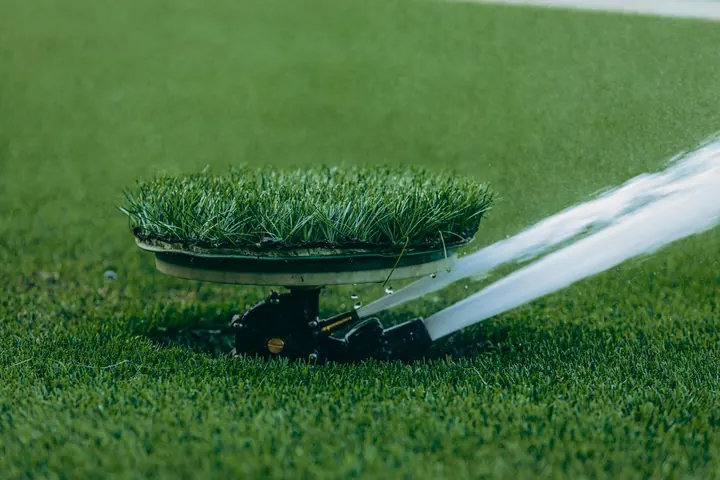 Lawn & Landscape
One zone that stays soggy, low pressure at the heads or a valve that will not shut off. We trace buried sprinkler lines and find the leak.
Explore This Service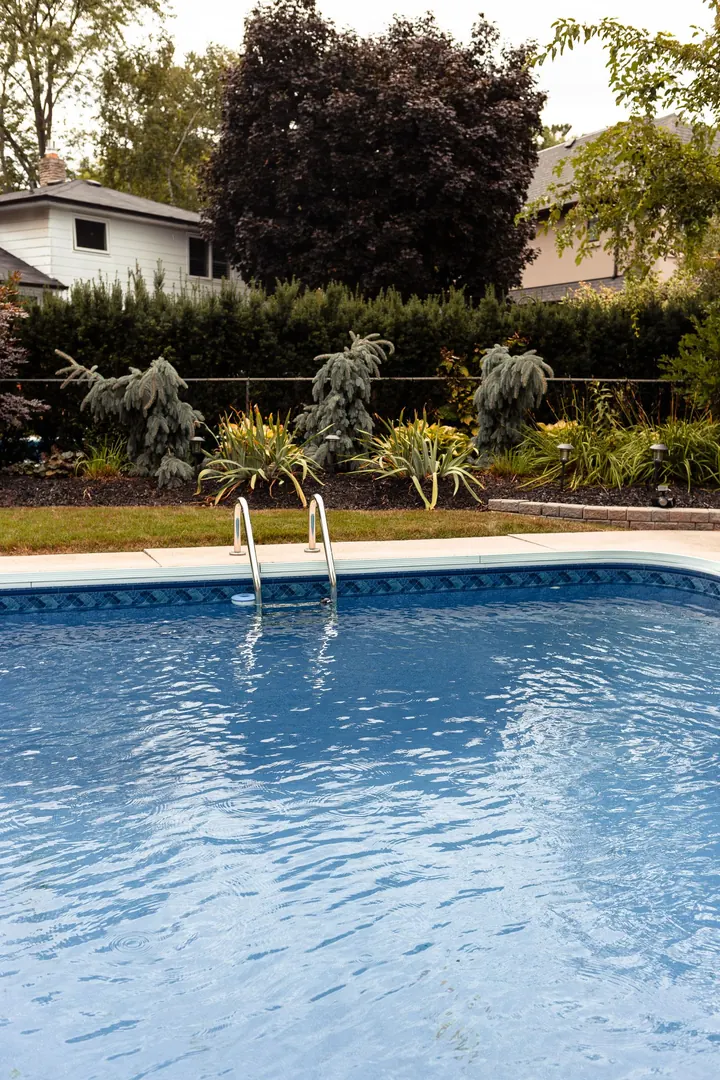 Pool & Hot Tub
Losing more than evaporation, an auto fill that never stops or wet ground by the equipment pad. We test the shell, fittings and plumbing.
Explore This Service Business & Property
Offices, retail, restaurants, warehouses and apartment communities. We find leaks with minimal disruption to tenants and trading hours.
Explore This ServiceDescribe what you see, hear or smell. A specialist will match it to the right test and tell you how pricing works, any time of day.
Call: (800) 901 7671Answered 24/7 across Texas
Don't see your leak listed? If it involves water going where it should not, we can help you find it.
Talk To A Specialist
Why Texas Leak Detection Experts
Most plumbers can fix a pipe. Fewer can tell you exactly where an invisible leak is without opening walls, floors or the yard. Leak detection is that one job, done with the right equipment and a methodical process, so the repair is small and done once.
Lines are isolated and tested so the search covers one run, not the whole property.
Acoustic, thermal, moisture and tracer gas tools find the leak before anything is opened.
You hear where the leak is, what likely caused it and your repair options in plain language.
Shoe covers, careful access and a tidy work area every visit.
How it works
Step 01
Tell us what you are seeing. We help you shut off water if needed and confirm availability and pricing on the call.
Step 02
The specialist confirms the leak, isolates each line and uses acoustic, thermal or tracer gas tools to find the exact spot.
Step 03
The leak is marked, the cause explained and repair options laid out, so you decide what happens next.
What to expect
Every call follows the same simple standard, wherever you are in the state.
You hear where the leak is, what most likely caused it and what the repair options are, in plain language and before any work is agreed.
How pricing works is explained on the phone before anyone is sent, so there are no surprises when the specialist arrives.
Lines are tested and the leak pinpointed with acoustic, thermal or tracer gas equipment, so any opening is small and in the right place.
Gallery

FAQ
Local answers for Lawn homeowners and property managers.
Talk to a real leak specialist, not a sales script. Advice over the phone is free.
(800) 901 7671The main public system is City of Lawn. In most Texas systems the provider maintains the meter and the pipe on the street side, while the owner is responsible from the meter to the house. If water is coming up at the meter, call the provider on your bill first. If the meter moves with everything off, the leak is on your side.
87% of homes in the Lawn area are detached houses, and most Texas houses from the 1960s onward sit on concrete slabs with water lines beneath. Warm floor spots, a water heater that runs constantly and a moving meter are the signs to watch for.
Yes. Lawn is in USDA zone 8a, where a typical winter's coldest night reaches about 10 to 15 degrees Fahrenheit, and severe events like February 2021 go well below that. Pipes in attics, exterior walls, crawl spaces and above ground backflow preventers are most at risk. Some cracks only leak after the thaw.
Turn off every faucet, appliance and sprinkler zone, then open the meter box, the one City of Lawn reads each month, and watch the small triangle or star shaped low flow indicator. If it moves over 15 minutes, water is leaking. Close the main shutoff at the house: if it still moves, the leak is probably on the service line to your Lawn home.
We cover 1 ZIP code in the Lawn area, including 79530. Nearby areas in Taylor County and beyond are covered too, so call even if your address is on the edge of town.
Our line is answered 24 hours a day, 7 days a week. When you call from Lawn, Ovalo or Tuscola, the specialist confirms availability and an arrival window on the call, and for an active leak talks you through shutting off the water while you wait.
It depends on the leak. In Lawn the most common job is leaks under older and raised homes, and cost varies with how many lines need testing, whether the leak is under concrete or in the yard, and whether it is an after hours emergency. You will hear how pricing works on the call before anyone is sent.
Age matters. 80% of homes in the area were built before 1980, when galvanized steel and early copper were standard. Those materials corrode and thin with hard water, so pinhole leaks and joint failures become more likely as the decades pass.
Call any time
Call our 24/7 line from anywhere in Lawn or Taylor County and tell us what you are seeing.